1

Country: USA | Funding: $1.7B
Intellia is a leading genome editing company specializing in the development of proprietary, potentially curative therapeutics using CRISPR/Cas9 technology. Intellia's co-founder Jennifer Daudna, along with Emmanuelle Charpentier, were awarded the 2020 Nobel Prize in Chemistry for their pioneering work in CRISPR. The company's pipeline includes treatments for hereditary angioedema, transthyretin amyloidosis with polyneuropathy and cardiomyopathy, hemophilia, acute myeloid leukemia, and B-cell malignancies.
Intellia is a leading genome editing company specializing in the development of proprietary, potentially curative therapeutics using CRISPR/Cas9 technology. Intellia's co-founder Jennifer Daudna, along with Emmanuelle Charpentier, were awarded the 2020 Nobel Prize in Chemistry for their pioneering work in CRISPR. The company's pipeline includes treatments for hereditary angioedema, transthyretin amyloidosis with polyneuropathy and cardiomyopathy, hemophilia, acute myeloid leukemia, and B-cell malignancies.
2

Country: USA | Funding: $1.2B
Kura Oncology develops precision small-molecule drugs for treatment of solid tumors and blood cancers. The company discovers and tests new biomarkers of cancer signaling pathways. Kura's flagship drug, COMZIFTI, is approved for the treatment of adult patients with acute myeloid leukemia (AML) with a nucleophosmin 1 (NPM1) gene mutation whose AML has relapsed or failed to improve after previous treatment and who have no other satisfactory treatment options. The company's pipeline also includes clinical trials for acute lymphoblastic leukemia, acute myeloid leukemia, advanced gastrointestinal stromal tumors, renal cell carcinoma, non-small cell lung cancer, colorectal cancer, pancreatic ductal adenocarcinoma, and head and neck squamous cell carcinoma.
Kura Oncology develops precision small-molecule drugs for treatment of solid tumors and blood cancers. The company discovers and tests new biomarkers of cancer signaling pathways. Kura's flagship drug, COMZIFTI, is approved for the treatment of adult patients with acute myeloid leukemia (AML) with a nucleophosmin 1 (NPM1) gene mutation whose AML has relapsed or failed to improve after previous treatment and who have no other satisfactory treatment options. The company's pipeline also includes clinical trials for acute lymphoblastic leukemia, acute myeloid leukemia, advanced gastrointestinal stromal tumors, renal cell carcinoma, non-small cell lung cancer, colorectal cancer, pancreatic ductal adenocarcinoma, and head and neck squamous cell carcinoma.
3

Country: UK | Funding: $1.1B
Autolus uses advanced CAR-T cell therapy to treat hematological malignancies and solid tumors. While CAR T-cell therapy has revolutionized cancer treatment, it can also cause significant immunotoxicity. Autolus has developed a novel CAR-construct with rapid binding kinetics that is similar to natural T cells and provides improved tolerability in patients with certain types of leukemia. Furthermore, Autolus addresses the issue of immunotoxicity through a personalized dosing approach. The company is also seeking to adopt CAR-T therapy to patients with acute lymphoblastic leukemia, acute myeloid leukemia, chronic lymphocytic leukemia, T-cell lymphoma and solid tumors. It is supporting several ongoing CAR-T clinical trials that are opening up new treatment options and offering new hope for these patients.
Autolus uses advanced CAR-T cell therapy to treat hematological malignancies and solid tumors. While CAR T-cell therapy has revolutionized cancer treatment, it can also cause significant immunotoxicity. Autolus has developed a novel CAR-construct with rapid binding kinetics that is similar to natural T cells and provides improved tolerability in patients with certain types of leukemia. Furthermore, Autolus addresses the issue of immunotoxicity through a personalized dosing approach. The company is also seeking to adopt CAR-T therapy to patients with acute lymphoblastic leukemia, acute myeloid leukemia, chronic lymphocytic leukemia, T-cell lymphoma and solid tumors. It is supporting several ongoing CAR-T clinical trials that are opening up new treatment options and offering new hope for these patients.
4

Country: USA | Funding: $622M
Arcellx develops cell-based therapies for cancer treatment, based on immune cells that can be easily suppressed, activated and reprogrammed throughout the disease course. The company has developed D-domain - small, stable, fully synthetic binding protein with a hydrophobic core that serves as a chimeric antigen receptor, potentially enabling high transduction efficiency, leading to high cell surface expression of CAR T cells. Using this protein, Arcellx creates drugs (modified T cells) that bind to target cells and kill them with improved specificity and increased binding affinity. The company's lead drug, anitokabtagene autoleucel, is undergoing clinical trials for patients with relapsed or refractory multiple myeloma and acute myeloid leukemia.
Arcellx develops cell-based therapies for cancer treatment, based on immune cells that can be easily suppressed, activated and reprogrammed throughout the disease course. The company has developed D-domain - small, stable, fully synthetic binding protein with a hydrophobic core that serves as a chimeric antigen receptor, potentially enabling high transduction efficiency, leading to high cell surface expression of CAR T cells. Using this protein, Arcellx creates drugs (modified T cells) that bind to target cells and kill them with improved specificity and increased binding affinity. The company's lead drug, anitokabtagene autoleucel, is undergoing clinical trials for patients with relapsed or refractory multiple myeloma and acute myeloid leukemia.
5

Country: China | Funding: $504.7M
Ascentage Pharma is a China-based, global-oriented company focused on the discovery and development of targeted small molecule anti-cancer therapies. The company leverages own breakthrough chemistry to synthesize inhibitors that target proteins (Bcl-2, Bcl-2/Bcl-xL, IAP, and MDM2) and signaling pathways that define key cancer hallmarks (e.g., BCR-ABL1, ALK, and FAK inhibitors). It also develops therapies such as PROTACs (Protein Acid Carcinogenesis Acids) that target traditionally untreatable proteins involved in oncogenesis. The company is conducting clinical trials of drugs against chronic lymphocytic leukemia, acute myeloid leukemia, small lymphocytic lymphoma, adrenocortical carcinoma, malignant peripheral nerve sheath tumor, and non-small cell lung cancer.
Ascentage Pharma is a China-based, global-oriented company focused on the discovery and development of targeted small molecule anti-cancer therapies. The company leverages own breakthrough chemistry to synthesize inhibitors that target proteins (Bcl-2, Bcl-2/Bcl-xL, IAP, and MDM2) and signaling pathways that define key cancer hallmarks (e.g., BCR-ABL1, ALK, and FAK inhibitors). It also develops therapies such as PROTACs (Protein Acid Carcinogenesis Acids) that target traditionally untreatable proteins involved in oncogenesis. The company is conducting clinical trials of drugs against chronic lymphocytic leukemia, acute myeloid leukemia, small lymphocytic lymphoma, adrenocortical carcinoma, malignant peripheral nerve sheath tumor, and non-small cell lung cancer.
6

Country: USA | Funding: $460.5M
Poseida Therapeutics develops differentiated allogeneic cell therapies and genetic medicines using our proprietary genetic engineering platforms. The company develops the piggyBac non-viral DNA delivery system (which enables introduction of large genetic data into the genome) and the Cas-CLOVER site-specific gene editing system (which can be used for precise site-specific deletions, insertions and knockouts in various cell types). Using this platform, the company creates CAR-T therapies with high levels of desired TSCM (stem cell-derived memory T cells) for the treatment of a range of oncological, autoimmune and rare diseases, including multiple myeloma, acute myeloid leukemia and prostate cancer. Poseida was acquired by Roche in early 2025.
Poseida Therapeutics develops differentiated allogeneic cell therapies and genetic medicines using our proprietary genetic engineering platforms. The company develops the piggyBac non-viral DNA delivery system (which enables introduction of large genetic data into the genome) and the Cas-CLOVER site-specific gene editing system (which can be used for precise site-specific deletions, insertions and knockouts in various cell types). Using this platform, the company creates CAR-T therapies with high levels of desired TSCM (stem cell-derived memory T cells) for the treatment of a range of oncological, autoimmune and rare diseases, including multiple myeloma, acute myeloid leukemia and prostate cancer. Poseida was acquired by Roche in early 2025.
7

Country: USA | Funding: $414.8M
Abcuro develops immunotherapeutics for the treatment of autoimmune diseases and cancer. Its flagship antibody-drug Ulviprubart targets the selective elimination of highly cytotoxic T cells expressing KLRG1 while sparing key lymphocyte populations, including naive, memory, and regulatory T cells, which are essential for maintaining normal immune homeostasis. Ulviprubart is in clinical trials for the treatment of highly cytotoxic T cell-mediated diseases, including the autoimmune muscle disease inclusion body myositis, T-cell large granular lymphocytic leukemia and mature T-cell malignancies.
Abcuro develops immunotherapeutics for the treatment of autoimmune diseases and cancer. Its flagship antibody-drug Ulviprubart targets the selective elimination of highly cytotoxic T cells expressing KLRG1 while sparing key lymphocyte populations, including naive, memory, and regulatory T cells, which are essential for maintaining normal immune homeostasis. Ulviprubart is in clinical trials for the treatment of highly cytotoxic T cell-mediated diseases, including the autoimmune muscle disease inclusion body myositis, T-cell large granular lymphocytic leukemia and mature T-cell malignancies.
8

Country: France | Funding: $393.5M
Cellectis has developed genome editing technology TALEN, which enables it to create more affordable, ready-to-use allogeneic CAR T-cell therapies. Its technology offers protection against graft-versus-host disease, reduces the risk of rejection and improves safety by integrating a self-destruct mechanism. Using this technology, the company is developing a pipeline of several candidates against non-Hodgkin's lymphoma, large B-cell lymphoma, renal cell carcinoma and melanoma. Cellectis is also advancing PulseAgile technology, which uses electroporation (controlled electric fields) to deliver messenger RNA molecules into cells. It utilizes a unique electric field waveform, which, combined with a proprietary buffer solution, allows molecules such as nucleases to effectively penetrate cells while maintaining high cell viability.
Cellectis has developed genome editing technology TALEN, which enables it to create more affordable, ready-to-use allogeneic CAR T-cell therapies. Its technology offers protection against graft-versus-host disease, reduces the risk of rejection and improves safety by integrating a self-destruct mechanism. Using this technology, the company is developing a pipeline of several candidates against non-Hodgkin's lymphoma, large B-cell lymphoma, renal cell carcinoma and melanoma. Cellectis is also advancing PulseAgile technology, which uses electroporation (controlled electric fields) to deliver messenger RNA molecules into cells. It utilizes a unique electric field waveform, which, combined with a proprietary buffer solution, allows molecules such as nucleases to effectively penetrate cells while maintaining high cell viability.
9

Country: USA | Funding: $335.4M
Kite Pharma develops and produces immune-based cell therapies to treat cancer. Each cell therapy developed by the company is individually tailored to each patient and one-time injected. The CAR T-cell therapy manufacturing process involves collecting the patient's white blood cells, isolating and activating the T-cells, modifying the T-cells with a chimeric antigen receptor gene, culturing and expanding the T-cells and administering the modified T-cells to the same patient. Kite has a state-of-the-art manufacturing facility with full production cycle and global logistics network. The company's portfolio includes two drugs for the treatment of blood diseases, specifically diffuse large B-cell lymphoma, mantle cell lymphoma and acute lymphoblastic leukemia. The company's pipeline includes clinical trials for the treatment of lymphoma, myeloma and leukemia. Acquired by Gilead Sciences
Kite Pharma develops and produces immune-based cell therapies to treat cancer. Each cell therapy developed by the company is individually tailored to each patient and one-time injected. The CAR T-cell therapy manufacturing process involves collecting the patient's white blood cells, isolating and activating the T-cells, modifying the T-cells with a chimeric antigen receptor gene, culturing and expanding the T-cells and administering the modified T-cells to the same patient. Kite has a state-of-the-art manufacturing facility with full production cycle and global logistics network. The company's portfolio includes two drugs for the treatment of blood diseases, specifically diffuse large B-cell lymphoma, mantle cell lymphoma and acute lymphoblastic leukemia. The company's pipeline includes clinical trials for the treatment of lymphoma, myeloma and leukemia. Acquired by Gilead Sciences
10

Country: USA | Funding: $272.5M
Senti Bio is developing a new generation of cell and gene therapies for cancer patients. The company has created the Gene Circuit Technology Platform to create gene circuits that can be integrated into new drugs with increased precision. These gene circuits allow to precisely destroy cancer cells, spare healthy cells, increase target tissue specificity and/or provide control even after drug administration. Clinical and preclinical studies have demonstrated the efficacy of the identified gene circuits, which target both NK cells and T cells, allowing the company to select the right cell type for each indication. The company's portfolio includes cell therapies targeting difficult-to-treat myelodysplastic syndromes and acute myeloid leukemia, as well as solid tumors.
Senti Bio is developing a new generation of cell and gene therapies for cancer patients. The company has created the Gene Circuit Technology Platform to create gene circuits that can be integrated into new drugs with increased precision. These gene circuits allow to precisely destroy cancer cells, spare healthy cells, increase target tissue specificity and/or provide control even after drug administration. Clinical and preclinical studies have demonstrated the efficacy of the identified gene circuits, which target both NK cells and T cells, allowing the company to select the right cell type for each indication. The company's portfolio includes cell therapies targeting difficult-to-treat myelodysplastic syndromes and acute myeloid leukemia, as well as solid tumors.
11

Country: USA | Funding: $146.5M
Imago BioSciences is working on a treatment that shuts down an enzyme important to blood cancer growth.
Imago BioSciences is working on a treatment that shuts down an enzyme important to blood cancer growth.
12

Country: USA | Funding: $135.7M
Amphivena Therapeutics develops treatments to address hematologic malignancies.
Amphivena Therapeutics develops treatments to address hematologic malignancies.
13

Country: USA | Funding: $110.3M
Crossbow Therapeutics develops antibody therapeutics to treat cancer. It identifies, validates and prioritizes the most promising cancer antigens for its T-Cell Receptor mimetic (TCRm) discovery efforts. Its lead candidate is T-cell engager CBX-250, designed to target a peptide human leukocyte antigen (pHLA) that’s found on myeloid cancer cells. The company is conducting trials which have enrolled patients with acute myeloid leukemia, chronic myeloid leukemia, myelodysplastic syndromes and chronic myelomonocytic leukemia. Crossbow also develops other so-called T-Bolt immunotherapies, which use TCR-mimetic antibodies to target pHLA on cancer cells.
Crossbow Therapeutics develops antibody therapeutics to treat cancer. It identifies, validates and prioritizes the most promising cancer antigens for its T-Cell Receptor mimetic (TCRm) discovery efforts. Its lead candidate is T-cell engager CBX-250, designed to target a peptide human leukocyte antigen (pHLA) that’s found on myeloid cancer cells. The company is conducting trials which have enrolled patients with acute myeloid leukemia, chronic myeloid leukemia, myelodysplastic syndromes and chronic myelomonocytic leukemia. Crossbow also develops other so-called T-Bolt immunotherapies, which use TCR-mimetic antibodies to target pHLA on cancer cells.
14

Country: France | Funding: €101.6M
MaaT Pharma (Microbiota as a Therapy) is intended to treat serious diseases linked to imbalances in the intestinal microbiome. It has developed the first treatment solution based on autologous microbiotherapy. MaaT Pharma envisages a first therapeutic application for patients suffering from leukaemia and bone & joint infections, whose major treatment contributes to dysbiosis.
MaaT Pharma (Microbiota as a Therapy) is intended to treat serious diseases linked to imbalances in the intestinal microbiome. It has developed the first treatment solution based on autologous microbiotherapy. MaaT Pharma envisages a first therapeutic application for patients suffering from leukaemia and bone & joint infections, whose major treatment contributes to dysbiosis.
15

Country: China | Funding: $101.6M
Juventas develops and manufactures cellular immunotherapies for the treatment of cancer. The company has more than 10 drug candidates, including innovative single- and multi-targeted therapies and general cell therapy products. Its flagship candidate, Inaticabtagene Autoleucel, is the first CAR-T therapy targeting CD19 in China. It is undergoing clinical trials for the treatment of relapsed and refractory acute lymphoblastic leukemia in adults, relapsed and refractory aggressive B-cell non-Hodgkin's lymphoma, and B-cell acute lymphoblastic leukemia in children and adolescents. It has received Breakthrough Therapy designation from the Center for Drug Evaluation from China's NMPA and Orphan Drug designation from FDA.
Juventas develops and manufactures cellular immunotherapies for the treatment of cancer. The company has more than 10 drug candidates, including innovative single- and multi-targeted therapies and general cell therapy products. Its flagship candidate, Inaticabtagene Autoleucel, is the first CAR-T therapy targeting CD19 in China. It is undergoing clinical trials for the treatment of relapsed and refractory acute lymphoblastic leukemia in adults, relapsed and refractory aggressive B-cell non-Hodgkin's lymphoma, and B-cell acute lymphoblastic leukemia in children and adolescents. It has received Breakthrough Therapy designation from the Center for Drug Evaluation from China's NMPA and Orphan Drug designation from FDA.
16

Country: Israel | Funding: $59M
BioSight is a biopharmaceutical company revolutionizing the research and development of innovative cancer targeted pro-drugs. BioSight has developed technology S2DOT TM and a pipeline of targeted pro-drugs, that can target and release chemotherapy drugs inside cancer cells, while significantly minimizing the systemic toxicity associated with conventional chemotherapy treatments.
BioSight is a biopharmaceutical company revolutionizing the research and development of innovative cancer targeted pro-drugs. BioSight has developed technology S2DOT TM and a pipeline of targeted pro-drugs, that can target and release chemotherapy drugs inside cancer cells, while significantly minimizing the systemic toxicity associated with conventional chemotherapy treatments.
17

Country: USA | Funding: $15M
Kurome Therapeutics is developing therapies that target cancer cells that have co-opted immune signaling pathways in order to avoid destruction by traditional therapeutic agents and subvert adaptive resistance mechanisms. The first goal is to to treat acute myeloid leukemia (AML) by targeting adaptive resistance mechanisms.
Kurome Therapeutics is developing therapies that target cancer cells that have co-opted immune signaling pathways in order to avoid destruction by traditional therapeutic agents and subvert adaptive resistance mechanisms. The first goal is to to treat acute myeloid leukemia (AML) by targeting adaptive resistance mechanisms.
18
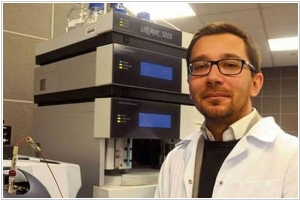
Country: Poland | Funding: $3.25M
Selvita is a drug discovery company engaged in the research and development of breakthrough therapies in the area of oncology.
Selvita is a drug discovery company engaged in the research and development of breakthrough therapies in the area of oncology.