1

Country: Norway | Funding: $13.1M
Zelluna Immunotherapy is developing a unique and proprietary TCR-NK cell therapy platform for the treatment of cancer. The therapy utilizes human (donor) natural killer (NK) cells, driven by T-cell receptors (TCRs), which are administered to patients. TCRs provide precise targeting of cancer cells and enable NK cells to find and destroy cancer cells within the patient's body. Zelluna's development pipeline targets a combination of clinically or preclinically validated antigens expressed in a broad range of solid tumors, providing high potential for patient impact and a significant market opportunity. The company's undergoing clinical trials include the following indications: NSCLC, ovarian cancer, sarcoma, breast cancer, gastric cancer, lung cancer, pancreatic cancer, cervical cancer.
Zelluna Immunotherapy is developing a unique and proprietary TCR-NK cell therapy platform for the treatment of cancer. The therapy utilizes human (donor) natural killer (NK) cells, driven by T-cell receptors (TCRs), which are administered to patients. TCRs provide precise targeting of cancer cells and enable NK cells to find and destroy cancer cells within the patient's body. Zelluna's development pipeline targets a combination of clinically or preclinically validated antigens expressed in a broad range of solid tumors, providing high potential for patient impact and a significant market opportunity. The company's undergoing clinical trials include the following indications: NSCLC, ovarian cancer, sarcoma, breast cancer, gastric cancer, lung cancer, pancreatic cancer, cervical cancer.
2

Country: USA | Funding: $4.3B
Revolution Medicines develops novel treatments for cancers associated with RAS activation (which accounts for 30 percent of all new human cancer diagnoses). The company is building a portfolio of RAS(ON) inhibitors using its tricomplex inhibitor platform, which provides unprecedented access to the active form of oncogenic RAS. Revolution Medicines is building a comprehensive pipeline of targeted therapies for the discovery, development, and delivery of new therapeutic options for PDAC, NSCLC, and solid tumors. The pipeline is designed to allow the evaluation of compounds as monotherapies and in combination with existing standard-of-care therapies and/or other compounds within our portfolio.
Revolution Medicines develops novel treatments for cancers associated with RAS activation (which accounts for 30 percent of all new human cancer diagnoses). The company is building a portfolio of RAS(ON) inhibitors using its tricomplex inhibitor platform, which provides unprecedented access to the active form of oncogenic RAS. Revolution Medicines is building a comprehensive pipeline of targeted therapies for the discovery, development, and delivery of new therapeutic options for PDAC, NSCLC, and solid tumors. The pipeline is designed to allow the evaluation of compounds as monotherapies and in combination with existing standard-of-care therapies and/or other compounds within our portfolio.
3

Country: USA | Funding: $3.9B
Moderna is a pioneer in developing a new class of drugs based on messenger RNA (mRNA). This new drug platform is based on the discovery that in-vitro engeneered and injected mRNA can direct the body's cellular machinery to produce virtually any protein of interest, from native proteins to antibodies and other entirely new protein constructs with therapeutic activity both inside and outside cells. In other words, mRNA can guide the body to produce its own drugs. Moderna used mRNA to create the first COVID-19 vaccine and is now applying this technology to create vaccines for infectious diseases (influenza, RSV, HSV, etc.), immuno-oncology (melanoma, lung cancer, liver cancer, etc.), rare diseases and autoimmune diseases.
Moderna is a pioneer in developing a new class of drugs based on messenger RNA (mRNA). This new drug platform is based on the discovery that in-vitro engeneered and injected mRNA can direct the body's cellular machinery to produce virtually any protein of interest, from native proteins to antibodies and other entirely new protein constructs with therapeutic activity both inside and outside cells. In other words, mRNA can guide the body to produce its own drugs. Moderna used mRNA to create the first COVID-19 vaccine and is now applying this technology to create vaccines for infectious diseases (influenza, RSV, HSV, etc.), immuno-oncology (melanoma, lung cancer, liver cancer, etc.), rare diseases and autoimmune diseases.
4

Country: Germany | Funding: $2B
BioNTech is a global leader in mRNA-based immunotherapy. The company was the first to invent and commercialize a COVID-19 vaccine (in partnership with Pfizer). BioNTech is currently developing several personalized immunotherapeutic agents (vaccines) against cancer and infectious diseases, including melanoma, human papillomavirus, non-small cell lung cancer, tuberculosis and malaria. The company's flagship platform, FixVac, enables the creation of ready-to-use mRNA cancer vaccines that can be used off-shelf to a specific indication (fixed-dose vaccines). These vaccines are a fixed combination of unmutated tumor antigens encoded by mRNA, which are frequently expressed in certain types of cancer. The mRNA is delivered using a proprietary RNA-lipoplex delivery system, which is designed to enhance mRNA stability in the body and target antigen-presenting dendritic cells (DCs), the training grounds of our immune system.
BioNTech is a global leader in mRNA-based immunotherapy. The company was the first to invent and commercialize a COVID-19 vaccine (in partnership with Pfizer). BioNTech is currently developing several personalized immunotherapeutic agents (vaccines) against cancer and infectious diseases, including melanoma, human papillomavirus, non-small cell lung cancer, tuberculosis and malaria. The company's flagship platform, FixVac, enables the creation of ready-to-use mRNA cancer vaccines that can be used off-shelf to a specific indication (fixed-dose vaccines). These vaccines are a fixed combination of unmutated tumor antigens encoded by mRNA, which are frequently expressed in certain types of cancer. The mRNA is delivered using a proprietary RNA-lipoplex delivery system, which is designed to enhance mRNA stability in the body and target antigen-presenting dendritic cells (DCs), the training grounds of our immune system.
5

Country: USA | Funding: $1.8B
Nuvalent develops targeted therapies targeting clinically proven kinases in oncology. Its drugs are small molecules that precisely interact with the target kinase in the original tumor and the mutated target kinase in the drug-resistant tumor. This allows the drugs to treat both the original tumor and tumors with emerging resistance mutations. Structure-based design technology addresses the issue of kinase selectivity to minimize side effects and ensure durable treatment responses. The company's pipeline includes clinical trials against non-small cell lung cancer and the treatment of brain metastases.
Nuvalent develops targeted therapies targeting clinically proven kinases in oncology. Its drugs are small molecules that precisely interact with the target kinase in the original tumor and the mutated target kinase in the drug-resistant tumor. This allows the drugs to treat both the original tumor and tumors with emerging resistance mutations. Structure-based design technology addresses the issue of kinase selectivity to minimize side effects and ensure durable treatment responses. The company's pipeline includes clinical trials against non-small cell lung cancer and the treatment of brain metastases.
6

Country: USA | Funding: $1.6B
IOVANCE Biotherapeutics develops personalized autologous cellular immunotherapies using tumor-infiltrating lymphocytes (TILs). A patient's natural TILs are collected and grown outside the body and then administered to the patient in a single dose. Unlike targeted cell therapies, which act on general antigen targets, IOVANCE TILs are engineered to act on specific neoantigens unique to the patient or tumor. IOVANCE's T-cell-based immunotherapy platform has potential application across multiple solid tumor types. The company has two approved drugs for the treatment of metastatic melanoma and metastatic kidney cancer. The company is also conducting clinical trials for the treatment of cervical cancer, NSCLC, endometrial cancer, and head and neck squamous cell carcinoma.
IOVANCE Biotherapeutics develops personalized autologous cellular immunotherapies using tumor-infiltrating lymphocytes (TILs). A patient's natural TILs are collected and grown outside the body and then administered to the patient in a single dose. Unlike targeted cell therapies, which act on general antigen targets, IOVANCE TILs are engineered to act on specific neoantigens unique to the patient or tumor. IOVANCE's T-cell-based immunotherapy platform has potential application across multiple solid tumor types. The company has two approved drugs for the treatment of metastatic melanoma and metastatic kidney cancer. The company is also conducting clinical trials for the treatment of cervical cancer, NSCLC, endometrial cancer, and head and neck squamous cell carcinoma.
7

Country: USA | Funding: $1.3B
Fate Therapeutics develops clinical drug candidates for the treatment of autoimmune diseases and cancer using its propriety iPSCs platform (induced pluripotent stem cells). These cell therapies are selectively engineered and provide novel synthetic mechanisms for regulating cellular function. The company utilizes iPSC master cell lines to generate immune system cells, including NK cells, T cells and CD34+ cells and is developing a portfolio of ready-to-use cellular immunotherapy products for the treatment of solid tumors (particularly lung, pancreatic and ovarian cancer). FT819, its first iPSC-derived CAR T-cell product candidate, demonstrates potent, dose-dependent B-cell killing comparable to that of autologous primary CAR T cells in in-vitro cytotoxicity assay using peripheral blood mononuclear cells (PBMCs) in SLE.
Fate Therapeutics develops clinical drug candidates for the treatment of autoimmune diseases and cancer using its propriety iPSCs platform (induced pluripotent stem cells). These cell therapies are selectively engineered and provide novel synthetic mechanisms for regulating cellular function. The company utilizes iPSC master cell lines to generate immune system cells, including NK cells, T cells and CD34+ cells and is developing a portfolio of ready-to-use cellular immunotherapy products for the treatment of solid tumors (particularly lung, pancreatic and ovarian cancer). FT819, its first iPSC-derived CAR T-cell product candidate, demonstrates potent, dose-dependent B-cell killing comparable to that of autologous primary CAR T cells in in-vitro cytotoxicity assay using peripheral blood mononuclear cells (PBMCs) in SLE.
8

Country: USA | Funding: $1.2B
Kura Oncology develops precision small-molecule drugs for treatment of solid tumors and blood cancers. The company discovers and tests new biomarkers of cancer signaling pathways. Kura's flagship drug, COMZIFTI, is approved for the treatment of adult patients with acute myeloid leukemia (AML) with a nucleophosmin 1 (NPM1) gene mutation whose AML has relapsed or failed to improve after previous treatment and who have no other satisfactory treatment options. The company's pipeline also includes clinical trials for acute lymphoblastic leukemia, acute myeloid leukemia, advanced gastrointestinal stromal tumors, renal cell carcinoma, non-small cell lung cancer, colorectal cancer, pancreatic ductal adenocarcinoma, and head and neck squamous cell carcinoma.
Kura Oncology develops precision small-molecule drugs for treatment of solid tumors and blood cancers. The company discovers and tests new biomarkers of cancer signaling pathways. Kura's flagship drug, COMZIFTI, is approved for the treatment of adult patients with acute myeloid leukemia (AML) with a nucleophosmin 1 (NPM1) gene mutation whose AML has relapsed or failed to improve after previous treatment and who have no other satisfactory treatment options. The company's pipeline also includes clinical trials for acute lymphoblastic leukemia, acute myeloid leukemia, advanced gastrointestinal stromal tumors, renal cell carcinoma, non-small cell lung cancer, colorectal cancer, pancreatic ductal adenocarcinoma, and head and neck squamous cell carcinoma.
9

Country: Israel | Funding: $1B
Novocure is developing a new treatment for solid tumors known as tumor polytherapy (TTFields). TTFields are low-intensity alternating electric fields, particularly at intermediate frequencies that disrupt cancer cell division through physical interaction with key molecules during mitosis. TTFields do significantly affect healthy cells, as they have different properties (including division rate, morphology and electrical properties) compared to cancer cells. The company's TTFields pipeline includes therapies against glioblastoma, metastatic non-small cell lung cancer and pancreatic cancer. The company also produces FDA-approved portable devices for the treatment of GB and mNSCLC. These devices also work via creating electric fields that can slow or stop cancer cell division.
Novocure is developing a new treatment for solid tumors known as tumor polytherapy (TTFields). TTFields are low-intensity alternating electric fields, particularly at intermediate frequencies that disrupt cancer cell division through physical interaction with key molecules during mitosis. TTFields do significantly affect healthy cells, as they have different properties (including division rate, morphology and electrical properties) compared to cancer cells. The company's TTFields pipeline includes therapies against glioblastoma, metastatic non-small cell lung cancer and pancreatic cancer. The company also produces FDA-approved portable devices for the treatment of GB and mNSCLC. These devices also work via creating electric fields that can slow or stop cancer cell division.
10

Country: Denmark | Funding: $720.3M
Galecto develops galectin modulators for the treatment of severe diseases, including fibrosis and cancer. The company builds on more than 10 years of research into galectins and galectin modulators, which combined with a strong patent estate gives Galecto Biotech a unique platform.
Galecto develops galectin modulators for the treatment of severe diseases, including fibrosis and cancer. The company builds on more than 10 years of research into galectins and galectin modulators, which combined with a strong patent estate gives Galecto Biotech a unique platform.
11

Country: China | Funding: $504.7M
Ascentage Pharma is a China-based, global-oriented company focused on the discovery and development of targeted small molecule anti-cancer therapies. The company leverages own breakthrough chemistry to synthesize inhibitors that target proteins (Bcl-2, Bcl-2/Bcl-xL, IAP, and MDM2) and signaling pathways that define key cancer hallmarks (e.g., BCR-ABL1, ALK, and FAK inhibitors). It also develops therapies such as PROTACs (Protein Acid Carcinogenesis Acids) that target traditionally untreatable proteins involved in oncogenesis. The company is conducting clinical trials of drugs against chronic lymphocytic leukemia, acute myeloid leukemia, small lymphocytic lymphoma, adrenocortical carcinoma, malignant peripheral nerve sheath tumor, and non-small cell lung cancer.
Ascentage Pharma is a China-based, global-oriented company focused on the discovery and development of targeted small molecule anti-cancer therapies. The company leverages own breakthrough chemistry to synthesize inhibitors that target proteins (Bcl-2, Bcl-2/Bcl-xL, IAP, and MDM2) and signaling pathways that define key cancer hallmarks (e.g., BCR-ABL1, ALK, and FAK inhibitors). It also develops therapies such as PROTACs (Protein Acid Carcinogenesis Acids) that target traditionally untreatable proteins involved in oncogenesis. The company is conducting clinical trials of drugs against chronic lymphocytic leukemia, acute myeloid leukemia, small lymphocytic lymphoma, adrenocortical carcinoma, malignant peripheral nerve sheath tumor, and non-small cell lung cancer.
12

Country: USA | Funding: $463M
Bicara Therapeutics develops dual-action cancer therapies, combining targeted treatments with tumor modulators for enhanced impact.
Bicara Therapeutics develops dual-action cancer therapies, combining targeted treatments with tumor modulators for enhanced impact.
13

Country: China | Funding: $370M
D3 Bio specializes in the development of innovative immunotherapies in oncology and immunology. The company's lead drug, elisrasib, is a next-generation KRAS G12C inhibitor that is being studied as a potential monotherapy for non-small cell lung cancer and metastatic colorectal cancer, as well as in combination with Merck KGaA's Erbitux anticancer drug or with immune checkpoint inhibitors. The company's pipeline includes clinical trials against mut cancers, CRC, PanCa, breast cancer, gastric cancer, bladder cancer and other solid tumors.
D3 Bio specializes in the development of innovative immunotherapies in oncology and immunology. The company's lead drug, elisrasib, is a next-generation KRAS G12C inhibitor that is being studied as a potential monotherapy for non-small cell lung cancer and metastatic colorectal cancer, as well as in combination with Merck KGaA's Erbitux anticancer drug or with immune checkpoint inhibitors. The company's pipeline includes clinical trials against mut cancers, CRC, PanCa, breast cancer, gastric cancer, bladder cancer and other solid tumors.
14

Country: USA | Funding: $337M
Alaunos Therapeutics develops immunotherapies for cancer treatment using novel TCR-derived T cells. These cell therapies target neoantigens (neoAgs) arising from genomic mutations in solid tumors. The company has developed proprietary, rapid and cost-effective solutions for the delivery of tumor-specific killer T cells. Alaunos' clinical TCR library targets the most common mutations in the KRAS, TP53 and EGFR genes, which are prevalent in gastrointestinal (colon, bile duct, pancreatic), lung and gynecologic (ovarian and endometrial) cancers across a range of different HLA alleles. Company's propriety non-viral Sleeping Beauty transposon/transposase system is used to introduce the TCR gene into the patient's autologous T cells. Alaunos's current pipeline includes clinical trials against lung, colorectal, pancreatic and ovarian cancers.
Alaunos Therapeutics develops immunotherapies for cancer treatment using novel TCR-derived T cells. These cell therapies target neoantigens (neoAgs) arising from genomic mutations in solid tumors. The company has developed proprietary, rapid and cost-effective solutions for the delivery of tumor-specific killer T cells. Alaunos' clinical TCR library targets the most common mutations in the KRAS, TP53 and EGFR genes, which are prevalent in gastrointestinal (colon, bile duct, pancreatic), lung and gynecologic (ovarian and endometrial) cancers across a range of different HLA alleles. Company's propriety non-viral Sleeping Beauty transposon/transposase system is used to introduce the TCR gene into the patient's autologous T cells. Alaunos's current pipeline includes clinical trials against lung, colorectal, pancreatic and ovarian cancers.
15

Country: USA | Funding: $325M
Obsidian Therapeutics develops precision cell and gene therapies to expand the capabilities of adoptive cancer immunotherapy. The company has developed the cytoDRiVE platform, which leverages drug-responsive domains (DRDs) to control protein function using an FDA-approved small molecule, and is continually expands its library of identified DRDs of varying sizes and purposes. The company's lead drug, OBX-115, is an experimental therapy using tumor-infiltrating lymphocytes genetically modified to produce a membrane-bound (non-secreted) cytokine (IL15). Obsidian is conducting a multicenter clinical trial for the treatment of advanced melanoma and non-small cell lung cancer.
Obsidian Therapeutics develops precision cell and gene therapies to expand the capabilities of adoptive cancer immunotherapy. The company has developed the cytoDRiVE platform, which leverages drug-responsive domains (DRDs) to control protein function using an FDA-approved small molecule, and is continually expands its library of identified DRDs of varying sizes and purposes. The company's lead drug, OBX-115, is an experimental therapy using tumor-infiltrating lymphocytes genetically modified to produce a membrane-bound (non-secreted) cytokine (IL15). Obsidian is conducting a multicenter clinical trial for the treatment of advanced melanoma and non-small cell lung cancer.
16

Country: USA | Funding: $280.8M
Triana Biomedicines is developing a platform to discover molecular "glues" for disease regulation. This technology identifies small molecules that facilitate interactions between two proteins (work like a glue). One such application aims to activate the innate protein degradation pathway to destroy disease-specific protein (for example in cancer cells). The company's lead candidate, TRI-611, a molecular degrader targeting ALK-positive anaplastic lymphoma kinase, is aimed at treating non-small cell lung cancer (NSCLC) and is capable of overcoming resistance observed with existing treatments. The company also has clinical trials in breast cancer in its pipeline. Pfizer is a major investor.
Triana Biomedicines is developing a platform to discover molecular "glues" for disease regulation. This technology identifies small molecules that facilitate interactions between two proteins (work like a glue). One such application aims to activate the innate protein degradation pathway to destroy disease-specific protein (for example in cancer cells). The company's lead candidate, TRI-611, a molecular degrader targeting ALK-positive anaplastic lymphoma kinase, is aimed at treating non-small cell lung cancer (NSCLC) and is capable of overcoming resistance observed with existing treatments. The company also has clinical trials in breast cancer in its pipeline. Pfizer is a major investor.
17

Country: USA | Funding: $203.1M
EpiBiologics is advancing bispecific antibodies designed to selectively degrade disease-causing extracellular proteins pipeline of novel bispecific antibodies. It's main candidate EPI-326 for treatment of EGFR-driven lung cancer and head and neck cancer is in the clinical trial phase. It is a tissue-selective bispecific antibody that degrades all oncogenic forms of EGFR, is mutation-agnostic, and overcomes limitations of existing EGFR therapies by localising degradation to the tumour while sparing normal healthy tissue. In preclinical studies, EPI-326 showed its strong and durable efficacy with favourable safety and pharmacokinetics, enabling both monotherapy and combination approaches for multiple cancer types.
EpiBiologics is advancing bispecific antibodies designed to selectively degrade disease-causing extracellular proteins pipeline of novel bispecific antibodies. It's main candidate EPI-326 for treatment of EGFR-driven lung cancer and head and neck cancer is in the clinical trial phase. It is a tissue-selective bispecific antibody that degrades all oncogenic forms of EGFR, is mutation-agnostic, and overcomes limitations of existing EGFR therapies by localising degradation to the tumour while sparing normal healthy tissue. In preclinical studies, EPI-326 showed its strong and durable efficacy with favourable safety and pharmacokinetics, enabling both monotherapy and combination approaches for multiple cancer types.
18

Country: USA | Funding: $177M
Antares is a biotechnology company focused on developing transformational,medicines targeting validated cancer and other serious diseases.
Antares is a biotechnology company focused on developing transformational,medicines targeting validated cancer and other serious diseases.
19

Country: USA | Funding: $112.3M
Insight Molecular Diagnostics (iMDx) develops and provides diagnostic tests for oncology. The company is developing three genetic tests: blood tests for breast and lung cancer and a urine test for bladder cancer. iMDx has also developed a blood-based transplant monitoring test that quantifies the concentration of donor cell-free DNA (dd-cfDNA) after transplantation. The company partners with biotech research laboratories and supplies them with tests intended exclusively for research purposes in oncology and transplantation research projects.
Insight Molecular Diagnostics (iMDx) develops and provides diagnostic tests for oncology. The company is developing three genetic tests: blood tests for breast and lung cancer and a urine test for bladder cancer. iMDx has also developed a blood-based transplant monitoring test that quantifies the concentration of donor cell-free DNA (dd-cfDNA) after transplantation. The company partners with biotech research laboratories and supplies them with tests intended exclusively for research purposes in oncology and transplantation research projects.
20

Country: USA | Funding: $95.5M
Genprex is a clinical stage gene therapy company developing molecular therapies to better target lung cancer cells. Their new approach to treating cancer is based upon our novel proprietary technology platform, including our initial product candidate, Oncoprex immunogene therapy, or Oncoprex.
Genprex is a clinical stage gene therapy company developing molecular therapies to better target lung cancer cells. Their new approach to treating cancer is based upon our novel proprietary technology platform, including our initial product candidate, Oncoprex immunogene therapy, or Oncoprex.
21

Country: USA | Funding: $96M
Lantern Pharma is creating the AI platform RADR for the development of oncology drugs. It's mainly used to predict the potential response of patients to drugs. RADR uses publicly available databases, commercial clinical research and trial data, proprietary company data derived from ex vivo 3D tumor transcriptome models, genomic data and drug sensitivity data from a wide range of carefully selected sources that are constantly analyzed, tracked and updated. Currently, the Lantern Pharma's portfolio includes three leading drug candidates and an ADC program for the treatment of 12 oncological diseases, including non-small cell lung cancer (NSCLC), TNBC, Bladder Cancer, Recurrent Non-Hodgkins Lymphoma, select solid tumors
Lantern Pharma is creating the AI platform RADR for the development of oncology drugs. It's mainly used to predict the potential response of patients to drugs. RADR uses publicly available databases, commercial clinical research and trial data, proprietary company data derived from ex vivo 3D tumor transcriptome models, genomic data and drug sensitivity data from a wide range of carefully selected sources that are constantly analyzed, tracked and updated. Currently, the Lantern Pharma's portfolio includes three leading drug candidates and an ADC program for the treatment of 12 oncological diseases, including non-small cell lung cancer (NSCLC), TNBC, Bladder Cancer, Recurrent Non-Hodgkins Lymphoma, select solid tumors
22

Country: USA | Funding: $86.9M
Vaccinex develops novel therapeutic antibodies for treatment of neurodegenerative diseases and cancer. Its drugs are based on the inhibition of semaphorin SEMA4D - potent biological effector believed to prevent immune infiltration and induce myeloid-derived suppressor cells in tumors, as well as trigger neuroinflammation through reactive gliosis in the brain. The company's lead drug candidate, pepinemab, blocks SEMA4D and has the potential to enhance immune activity against tumors and reprogram underlying pathogenic immune mechanisms that exacerbate damage in chronic neurological diseases such as Asheimer's disease and Huntington's disease. The company is also advancing candidates for the treatment of cervical, pancreatic and lung cancer. Vaccinex uses its proprietary ActivMAb drug discovery platform, which enables the discovery and development of highly selective antibodies with novel mechanisms of action against complex membrane proteins.
Vaccinex develops novel therapeutic antibodies for treatment of neurodegenerative diseases and cancer. Its drugs are based on the inhibition of semaphorin SEMA4D - potent biological effector believed to prevent immune infiltration and induce myeloid-derived suppressor cells in tumors, as well as trigger neuroinflammation through reactive gliosis in the brain. The company's lead drug candidate, pepinemab, blocks SEMA4D and has the potential to enhance immune activity against tumors and reprogram underlying pathogenic immune mechanisms that exacerbate damage in chronic neurological diseases such as Asheimer's disease and Huntington's disease. The company is also advancing candidates for the treatment of cervical, pancreatic and lung cancer. Vaccinex uses its proprietary ActivMAb drug discovery platform, which enables the discovery and development of highly selective antibodies with novel mechanisms of action against complex membrane proteins.
23

Country: USA | Funding: $82.4M
Rain Therapeutics is a biotech company laser focused on a subtype of non-small cell lung cancer
Rain Therapeutics is a biotech company laser focused on a subtype of non-small cell lung cancer
24

Country: UK | Funding: $52M
Iksuda Therapeutics develops ADCs with enhanced tumor specificity. They incorporate tumor-specific, selective release and activation of payloads through mechanisms relevant to the target and tumor, thereby optimizing anticancer efficacy and improving patient safety. The company has also developed a new class of alkylating protein payloads, ProAlk. With their tailored properties to specific ADCs and broad applicability across various tumor types, Iksuda is currently developing a new ProAlk-ADC portfolio. The company's portfolio includes clinical trials against B-cell malignancies, breast cancer, gastric cancer, lung cancer, esophageal cancer, head and neck cancer, colorectal cancer and cervical cancer.
Iksuda Therapeutics develops ADCs with enhanced tumor specificity. They incorporate tumor-specific, selective release and activation of payloads through mechanisms relevant to the target and tumor, thereby optimizing anticancer efficacy and improving patient safety. The company has also developed a new class of alkylating protein payloads, ProAlk. With their tailored properties to specific ADCs and broad applicability across various tumor types, Iksuda is currently developing a new ProAlk-ADC portfolio. The company's portfolio includes clinical trials against B-cell malignancies, breast cancer, gastric cancer, lung cancer, esophageal cancer, head and neck cancer, colorectal cancer and cervical cancer.
25

Country: UK | Funding: $50M
Enara Bio develops targeted cancer immunotherapies using its Dark Antigen discovery engine and optimized T-cell activator platform. Dark Antigens cluster - is a rich source of novel cancer targets derived from genomic regions previously considered "dark" or non-coding. The EDAPT platform helps to identify these dark targets. The company has also developed EnTiCE platform for creating bispecific T-cell activators against these identified targets to improve treatment outcomes for a wide range of cancer patients. Enara Bio's pipeline includes clinical trials against solid tumors, non-small cell lung cancer, melanoma, and ovarian cancer. The startup is backed by leading biotech investors, including RA Capital, Pfizer Ventures, M Ventures, Samsara BioCapital, and SV Health Investors.
Enara Bio develops targeted cancer immunotherapies using its Dark Antigen discovery engine and optimized T-cell activator platform. Dark Antigens cluster - is a rich source of novel cancer targets derived from genomic regions previously considered "dark" or non-coding. The EDAPT platform helps to identify these dark targets. The company has also developed EnTiCE platform for creating bispecific T-cell activators against these identified targets to improve treatment outcomes for a wide range of cancer patients. Enara Bio's pipeline includes clinical trials against solid tumors, non-small cell lung cancer, melanoma, and ovarian cancer. The startup is backed by leading biotech investors, including RA Capital, Pfizer Ventures, M Ventures, Samsara BioCapital, and SV Health Investors.
26

Country: USA | Funding: $50M
OncoC4 is a biopharmaceutical company that engages in the discovery and development of novel biologicals for cancer treatment.
OncoC4 is a biopharmaceutical company that engages in the discovery and development of novel biologicals for cancer treatment.

28

Country: China | Funding: CN¥201M
12 Sigma is an innovative healthcare company with leading artificial intelligence technology and medical imaging applications.
12 Sigma is an innovative healthcare company with leading artificial intelligence technology and medical imaging applications.
29

Country: Israel | Funding: $28.5M
A medical device company specializing in augmented real-time imaging. It develops LungVision platform for planning, navigating to, and targeting small pulmonary nodules within the peripheral regions of the lungs. The product integrates into bronchoscopy suites and provides a step-by-step process that the company claims doesn’t require a large learning curve.
A medical device company specializing in augmented real-time imaging. It develops LungVision platform for planning, navigating to, and targeting small pulmonary nodules within the peripheral regions of the lungs. The product integrates into bronchoscopy suites and provides a step-by-step process that the company claims doesn’t require a large learning curve.
30

Country: UK | Funding: $15.3M
Optellum develops an imaging biomarker for smart lung cancer AI-detection.
Optellum develops an imaging biomarker for smart lung cancer AI-detection.
31

Country: USA | Funding: $14.4M
20/20 GeneSystems develops and commercializes innovative, proprietary diagnostics tests that aid in the fight against cancer.
20/20 GeneSystems develops and commercializes innovative, proprietary diagnostics tests that aid in the fight against cancer.
32
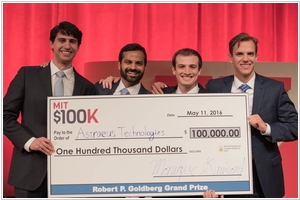
Country: USA | Funding: $100K
Astraeus Technologies is a startup that is creating a noninvasive Lung cancer screening test.
Astraeus Technologies is a startup that is creating a noninvasive Lung cancer screening test.
33

Country: South Korea
J INTS BIO is a biotechnology business that specialises in the development of anticancer and orphan medications.
J INTS BIO is a biotechnology business that specialises in the development of anticancer and orphan medications.