Top 50 Cancer Immunotherapy startups in USA
1

Funding: $3.9B
Moderna is a pioneer in developing a new class of drugs based on messenger RNA (mRNA). This new drug platform is based on the discovery that in-vitro engeneered and injected mRNA can direct the body's cellular machinery to produce virtually any protein of interest, from native proteins to antibodies and other entirely new protein constructs with therapeutic activity both inside and outside cells. In other words, mRNA can guide the body to produce its own drugs. Moderna used mRNA to create the first COVID-19 vaccine and is now applying this technology to create vaccines for infectious diseases (influenza, RSV, HSV, etc.), immuno-oncology (melanoma, lung cancer, liver cancer, etc.), rare diseases and autoimmune diseases.
Moderna is a pioneer in developing a new class of drugs based on messenger RNA (mRNA). This new drug platform is based on the discovery that in-vitro engeneered and injected mRNA can direct the body's cellular machinery to produce virtually any protein of interest, from native proteins to antibodies and other entirely new protein constructs with therapeutic activity both inside and outside cells. In other words, mRNA can guide the body to produce its own drugs. Moderna used mRNA to create the first COVID-19 vaccine and is now applying this technology to create vaccines for infectious diseases (influenza, RSV, HSV, etc.), immuno-oncology (melanoma, lung cancer, liver cancer, etc.), rare diseases and autoimmune diseases.
2

Funding: $1.6B
Using our proprietary Antibody-Coupled T-cell Receptor (ACTR) technology, we are discovering and developing new cellular immunotherapies for cancer. The company doesn’t intend to make its own antibodies in-house, but rather align with various companies that want to enhance their experimental antibody drugs.
Using our proprietary Antibody-Coupled T-cell Receptor (ACTR) technology, we are discovering and developing new cellular immunotherapies for cancer. The company doesn’t intend to make its own antibodies in-house, but rather align with various companies that want to enhance their experimental antibody drugs.
3

Funding: $1.6B
IOVANCE Biotherapeutics develops personalized autologous cellular immunotherapies using tumor-infiltrating lymphocytes (TILs). A patient's natural TILs are collected and grown outside the body and then administered to the patient in a single dose. Unlike targeted cell therapies, which act on general antigen targets, IOVANCE TILs are engineered to act on specific neoantigens unique to the patient or tumor. IOVANCE's T-cell-based immunotherapy platform has potential application across multiple solid tumor types. The company has two approved drugs for the treatment of metastatic melanoma and metastatic kidney cancer. The company is also conducting clinical trials for the treatment of cervical cancer, NSCLC, endometrial cancer, and head and neck squamous cell carcinoma.
IOVANCE Biotherapeutics develops personalized autologous cellular immunotherapies using tumor-infiltrating lymphocytes (TILs). A patient's natural TILs are collected and grown outside the body and then administered to the patient in a single dose. Unlike targeted cell therapies, which act on general antigen targets, IOVANCE TILs are engineered to act on specific neoantigens unique to the patient or tumor. IOVANCE's T-cell-based immunotherapy platform has potential application across multiple solid tumor types. The company has two approved drugs for the treatment of metastatic melanoma and metastatic kidney cancer. The company is also conducting clinical trials for the treatment of cervical cancer, NSCLC, endometrial cancer, and head and neck squamous cell carcinoma.
4

Funding: $1.5B
Arcus discovers and develops innovative cancer immunotherapies based on known but under-exploited biology. Arcus’s lead program targets the adenosine pathway, which has been shown to play a significant role in driving immuno-suppression in the tumor micro-environment.
Arcus discovers and develops innovative cancer immunotherapies based on known but under-exploited biology. Arcus’s lead program targets the adenosine pathway, which has been shown to play a significant role in driving immuno-suppression in the tumor micro-environment.
5

Funding: $1.4B
ImmunityBio is a privately held immunotherapy company with one of the broadest portfolios of biological molecules spanning albumin-linked chemotherapeutic, peptides, fusion proteins, cytokine, monoclonal antibodies, adenovirus and yeast vaccine therapies.
ImmunityBio is a privately held immunotherapy company with one of the broadest portfolios of biological molecules spanning albumin-linked chemotherapeutic, peptides, fusion proteins, cytokine, monoclonal antibodies, adenovirus and yeast vaccine therapies.
6

Funding: $1.4B
Kymera Therapeutics is a biotechnology company that specializes in the field of targeted protein degradation.
Kymera Therapeutics is a biotechnology company that specializes in the field of targeted protein degradation.
7

Funding: $1.3B
Fate Therapeutics develops clinical drug candidates for the treatment of autoimmune diseases and cancer using its propriety iPSCs platform (induced pluripotent stem cells). These cell therapies are selectively engineered and provide novel synthetic mechanisms for regulating cellular function. The company utilizes iPSC master cell lines to generate immune system cells, including NK cells, T cells and CD34+ cells and is developing a portfolio of ready-to-use cellular immunotherapy products for the treatment of solid tumors (particularly lung, pancreatic and ovarian cancer). FT819, its first iPSC-derived CAR T-cell product candidate, demonstrates potent, dose-dependent B-cell killing comparable to that of autologous primary CAR T cells in in-vitro cytotoxicity assay using peripheral blood mononuclear cells (PBMCs) in SLE.
Fate Therapeutics develops clinical drug candidates for the treatment of autoimmune diseases and cancer using its propriety iPSCs platform (induced pluripotent stem cells). These cell therapies are selectively engineered and provide novel synthetic mechanisms for regulating cellular function. The company utilizes iPSC master cell lines to generate immune system cells, including NK cells, T cells and CD34+ cells and is developing a portfolio of ready-to-use cellular immunotherapy products for the treatment of solid tumors (particularly lung, pancreatic and ovarian cancer). FT819, its first iPSC-derived CAR T-cell product candidate, demonstrates potent, dose-dependent B-cell killing comparable to that of autologous primary CAR T cells in in-vitro cytotoxicity assay using peripheral blood mononuclear cells (PBMCs) in SLE.
8

Funding: $997M
Apogee Therapeutics operates pipeline candidates designed to treat inflammatory and immunological disorders.
Apogee Therapeutics operates pipeline candidates designed to treat inflammatory and immunological disorders.
9

Funding: $898.9M
Janux Therapeutics develops immunotherapies that generates immune responses to prevent tumors and not affecting a patient’s healthy tissue.
Janux Therapeutics develops immunotherapies that generates immune responses to prevent tumors and not affecting a patient’s healthy tissue.
10

Funding: $700M
Odyssey Therapeutics is a computational immunology company that develops novel therapeutics for patients with autoimmune diseases.
Odyssey Therapeutics is a computational immunology company that develops novel therapeutics for patients with autoimmune diseases.
11

Funding: $694.1M
IDEAYA is an oncology-focused biotechnology company committed to the discovery of breakthrough synthetic lethality medicines for genetically defined patient populations and immuno-oncology therapies targeting immuno-metabolism and innate immunity.
IDEAYA is an oncology-focused biotechnology company committed to the discovery of breakthrough synthetic lethality medicines for genetically defined patient populations and immuno-oncology therapies targeting immuno-metabolism and innate immunity.
12

Funding: $566.8M
Atara Biotherapeutics develops allogeneic T-cell immunotherapies for the treatment of cancer, autoimmune diseases and viral diseases. The company's platform is based on allogeneic, or donor T cells that are enriched during the manufacturing process for specific receptors targeting the Epstein-Barr virus (EBV). These EBV T cells are modified with CAR to generate allogeneic CAR T-cell therapies for a broad range of antigen targets. Our molecular suite of clinically validated technologies, including the 1XX costimulatory domain, engineered to optimize physiological signaling leading to reduced exhaustion while maintaining a memory phenotype, offers a differentiated approach to addressing the significant unmet need for next-generation CAR T cells. Atara is conducting clinical trials of its candidates for the treatment of lupus nephritis and B-cell malignancies.
Atara Biotherapeutics develops allogeneic T-cell immunotherapies for the treatment of cancer, autoimmune diseases and viral diseases. The company's platform is based on allogeneic, or donor T cells that are enriched during the manufacturing process for specific receptors targeting the Epstein-Barr virus (EBV). These EBV T cells are modified with CAR to generate allogeneic CAR T-cell therapies for a broad range of antigen targets. Our molecular suite of clinically validated technologies, including the 1XX costimulatory domain, engineered to optimize physiological signaling leading to reduced exhaustion while maintaining a memory phenotype, offers a differentiated approach to addressing the significant unmet need for next-generation CAR T cells. Atara is conducting clinical trials of its candidates for the treatment of lupus nephritis and B-cell malignancies.
13

Funding: $555.6M
CG Oncology develops oncolytic immunotherapies for patients with advanced bladder cancer. Its flagship drug Cretostimogen is an intravesically administered oncolytic immunotherapy with a dual mechanism of action. It selectively replicates and lyses bladder cancer cells. The rupture of cancer cells can then release tumor-derived antigens, along with GM-CSF, which can stimulate a systemic antitumor immune response involving the body's immune system. CG Oncology has a robust clinical trial program with a developed pipeline to study the safety and efficacy of Cretostimogen. It has received FSA Fast Track and Breakthrough Therapy designations from the FDA.
CG Oncology develops oncolytic immunotherapies for patients with advanced bladder cancer. Its flagship drug Cretostimogen is an intravesically administered oncolytic immunotherapy with a dual mechanism of action. It selectively replicates and lyses bladder cancer cells. The rupture of cancer cells can then release tumor-derived antigens, along with GM-CSF, which can stimulate a systemic antitumor immune response involving the body's immune system. CG Oncology has a robust clinical trial program with a developed pipeline to study the safety and efficacy of Cretostimogen. It has received FSA Fast Track and Breakthrough Therapy designations from the FDA.
14

Funding: $545.9M
Nurix develops small molecule inhibitors for the treatment of proliferative and degenerative diseases.
Nurix develops small molecule inhibitors for the treatment of proliferative and degenerative diseases.
15

Funding: $414.8M
Abcuro develops immunotherapeutics for the treatment of autoimmune diseases and cancer. Its flagship antibody-drug Ulviprubart targets the selective elimination of highly cytotoxic T cells expressing KLRG1 while sparing key lymphocyte populations, including naive, memory, and regulatory T cells, which are essential for maintaining normal immune homeostasis. Ulviprubart is in clinical trials for the treatment of highly cytotoxic T cell-mediated diseases, including the autoimmune muscle disease inclusion body myositis, T-cell large granular lymphocytic leukemia and mature T-cell malignancies.
Abcuro develops immunotherapeutics for the treatment of autoimmune diseases and cancer. Its flagship antibody-drug Ulviprubart targets the selective elimination of highly cytotoxic T cells expressing KLRG1 while sparing key lymphocyte populations, including naive, memory, and regulatory T cells, which are essential for maintaining normal immune homeostasis. Ulviprubart is in clinical trials for the treatment of highly cytotoxic T cell-mediated diseases, including the autoimmune muscle disease inclusion body myositis, T-cell large granular lymphocytic leukemia and mature T-cell malignancies.
16

Funding: $356M
Be Biopharma engineers B-cell therapies. The applications of B cells include everything from autoimmune diseases to cancer and monogenic disorders, which are caused by variation in a single gene.
Be Biopharma engineers B-cell therapies. The applications of B cells include everything from autoimmune diseases to cancer and monogenic disorders, which are caused by variation in a single gene.
17

Funding: $347.9M
Atreca develops a technology to identify the set of antibodies produced during an immune response, without prior knowledge of an antigen.
Atreca develops a technology to identify the set of antibodies produced during an immune response, without prior knowledge of an antigen.
18

Funding: $337M
Alaunos Therapeutics develops immunotherapies for cancer treatment using novel TCR-derived T cells. These cell therapies target neoantigens (neoAgs) arising from genomic mutations in solid tumors. The company has developed proprietary, rapid and cost-effective solutions for the delivery of tumor-specific killer T cells. Alaunos' clinical TCR library targets the most common mutations in the KRAS, TP53 and EGFR genes, which are prevalent in gastrointestinal (colon, bile duct, pancreatic), lung and gynecologic (ovarian and endometrial) cancers across a range of different HLA alleles. Company's propriety non-viral Sleeping Beauty transposon/transposase system is used to introduce the TCR gene into the patient's autologous T cells. Alaunos's current pipeline includes clinical trials against lung, colorectal, pancreatic and ovarian cancers.
Alaunos Therapeutics develops immunotherapies for cancer treatment using novel TCR-derived T cells. These cell therapies target neoantigens (neoAgs) arising from genomic mutations in solid tumors. The company has developed proprietary, rapid and cost-effective solutions for the delivery of tumor-specific killer T cells. Alaunos' clinical TCR library targets the most common mutations in the KRAS, TP53 and EGFR genes, which are prevalent in gastrointestinal (colon, bile duct, pancreatic), lung and gynecologic (ovarian and endometrial) cancers across a range of different HLA alleles. Company's propriety non-viral Sleeping Beauty transposon/transposase system is used to introduce the TCR gene into the patient's autologous T cells. Alaunos's current pipeline includes clinical trials against lung, colorectal, pancreatic and ovarian cancers.
19

Funding: $335.4M
Kite Pharma develops and produces immune-based cell therapies to treat cancer. Each cell therapy developed by the company is individually tailored to each patient and one-time injected. The CAR T-cell therapy manufacturing process involves collecting the patient's white blood cells, isolating and activating the T-cells, modifying the T-cells with a chimeric antigen receptor gene, culturing and expanding the T-cells and administering the modified T-cells to the same patient. Kite has a state-of-the-art manufacturing facility with full production cycle and global logistics network. The company's portfolio includes two drugs for the treatment of blood diseases, specifically diffuse large B-cell lymphoma, mantle cell lymphoma and acute lymphoblastic leukemia. The company's pipeline includes clinical trials for the treatment of lymphoma, myeloma and leukemia. Acquired by Gilead Sciences
Kite Pharma develops and produces immune-based cell therapies to treat cancer. Each cell therapy developed by the company is individually tailored to each patient and one-time injected. The CAR T-cell therapy manufacturing process involves collecting the patient's white blood cells, isolating and activating the T-cells, modifying the T-cells with a chimeric antigen receptor gene, culturing and expanding the T-cells and administering the modified T-cells to the same patient. Kite has a state-of-the-art manufacturing facility with full production cycle and global logistics network. The company's portfolio includes two drugs for the treatment of blood diseases, specifically diffuse large B-cell lymphoma, mantle cell lymphoma and acute lymphoblastic leukemia. The company's pipeline includes clinical trials for the treatment of lymphoma, myeloma and leukemia. Acquired by Gilead Sciences
20

Funding: $333.5M
NextCure is a biopharmaceutical company focused on discovering and developing next generation immuno-oncology-based drugs.
NextCure is a biopharmaceutical company focused on discovering and developing next generation immuno-oncology-based drugs.
21

Funding: $329.2M
ALX Oncology is a preclinical stage biotechnology company developing innovative immuno-oncology therapies for cancer.
ALX Oncology is a preclinical stage biotechnology company developing innovative immuno-oncology therapies for cancer.
22
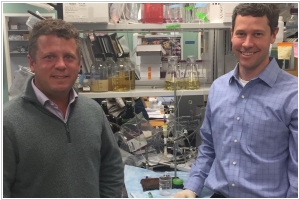
Funding: $328M
Shattuck develops cancer immunotherapy, with immune checkpoint blockade, has provided profound benefit for patients with late-stage cancers.
Shattuck develops cancer immunotherapy, with immune checkpoint blockade, has provided profound benefit for patients with late-stage cancers.
23

Funding: $325M
Obsidian Therapeutics develops precision cell and gene therapies to expand the capabilities of adoptive cancer immunotherapy. The company has developed the cytoDRiVE platform, which leverages drug-responsive domains (DRDs) to control protein function using an FDA-approved small molecule, and is continually expands its library of identified DRDs of varying sizes and purposes. The company's lead drug, OBX-115, is an experimental therapy using tumor-infiltrating lymphocytes genetically modified to produce a membrane-bound (non-secreted) cytokine (IL15). Obsidian is conducting a multicenter clinical trial for the treatment of advanced melanoma and non-small cell lung cancer.
Obsidian Therapeutics develops precision cell and gene therapies to expand the capabilities of adoptive cancer immunotherapy. The company has developed the cytoDRiVE platform, which leverages drug-responsive domains (DRDs) to control protein function using an FDA-approved small molecule, and is continually expands its library of identified DRDs of varying sizes and purposes. The company's lead drug, OBX-115, is an experimental therapy using tumor-infiltrating lymphocytes genetically modified to produce a membrane-bound (non-secreted) cytokine (IL15). Obsidian is conducting a multicenter clinical trial for the treatment of advanced melanoma and non-small cell lung cancer.
24
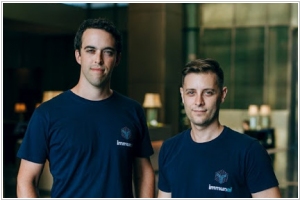
Funding: $295M
Immunai is a biotech company that combines single cell genomics with ML algorithms to enable high resolution profiling of the immune system.
Immunai is a biotech company that combines single cell genomics with ML algorithms to enable high resolution profiling of the immune system.
25

Funding: $294.3M
Xilio Therapeutics is a biopharmaceutical company focused on developing highly-potent, targeted immuno-oncology therapeutics.
Xilio Therapeutics is a biopharmaceutical company focused on developing highly-potent, targeted immuno-oncology therapeutics.
26

Funding: $272.5M
Senti Bio is developing a new generation of cell and gene therapies for cancer patients. The company has created the Gene Circuit Technology Platform to create gene circuits that can be integrated into new drugs with increased precision. These gene circuits allow to precisely destroy cancer cells, spare healthy cells, increase target tissue specificity and/or provide control even after drug administration. Clinical and preclinical studies have demonstrated the efficacy of the identified gene circuits, which target both NK cells and T cells, allowing the company to select the right cell type for each indication. The company's portfolio includes cell therapies targeting difficult-to-treat myelodysplastic syndromes and acute myeloid leukemia, as well as solid tumors.
Senti Bio is developing a new generation of cell and gene therapies for cancer patients. The company has created the Gene Circuit Technology Platform to create gene circuits that can be integrated into new drugs with increased precision. These gene circuits allow to precisely destroy cancer cells, spare healthy cells, increase target tissue specificity and/or provide control even after drug administration. Clinical and preclinical studies have demonstrated the efficacy of the identified gene circuits, which target both NK cells and T cells, allowing the company to select the right cell type for each indication. The company's portfolio includes cell therapies targeting difficult-to-treat myelodysplastic syndromes and acute myeloid leukemia, as well as solid tumors.
27

Funding: $265.2M
Precision BioSciences is a genome editing company dedicated to improving life. Our team seeks to solve – not just treat, but solve – significant problems in oncology, genetic disease, agriculture, and beyond via its proprietary ARCUS genome editing platform.
Precision BioSciences is a genome editing company dedicated to improving life. Our team seeks to solve – not just treat, but solve – significant problems in oncology, genetic disease, agriculture, and beyond via its proprietary ARCUS genome editing platform.
28

Funding: $257.3M
Repertoire Immune Medicines advances anti-cancer T-cell therapies through the clinic while expanding its immune response drug discovery platform.
Repertoire Immune Medicines advances anti-cancer T-cell therapies through the clinic while expanding its immune response drug discovery platform.
29

Funding: $256M
Acepodia develops targeted cell therapies for cancer patients. The company has developed innovative immune cell activators with enhanced and targeted efficacy through antibody-cell conjugation (ACC) technology. As advertised they feature improved safety and broad applicability across hematological and solid tumors. The ACC technology is based on the 2022 Nobel Prize-winning bioorthogonal chemistry developed by Professor Carolyn Bertozzi. With ACC technology, tumor-targeting antibodies are conjugated to allogeneic immune cells, such as natural killer cells and gamma-delta-2 T cells. The second company's platform, Acepodia Antibody-Dual-Drugs Conjugation (AD2C), enables the facile integration of multiple linker payloads through a site-specific conjugation process. The company's flagship drug is in clinical trials for the treatment of liver cancer.
Acepodia develops targeted cell therapies for cancer patients. The company has developed innovative immune cell activators with enhanced and targeted efficacy through antibody-cell conjugation (ACC) technology. As advertised they feature improved safety and broad applicability across hematological and solid tumors. The ACC technology is based on the 2022 Nobel Prize-winning bioorthogonal chemistry developed by Professor Carolyn Bertozzi. With ACC technology, tumor-targeting antibodies are conjugated to allogeneic immune cells, such as natural killer cells and gamma-delta-2 T cells. The second company's platform, Acepodia Antibody-Dual-Drugs Conjugation (AD2C), enables the facile integration of multiple linker payloads through a site-specific conjugation process. The company's flagship drug is in clinical trials for the treatment of liver cancer.
30

Funding: $253.7M
Imvax develops personalized immunotherapeutic cancer vaccines against glioblastoma and other solid tumors that are created from the patient's own tumor cells. Imvax's Goldspire platform delivers a combo of patient-derived tumor cells and an antisense oligodeoxynucleotide (IMV-001) against the insulin-like growth factor receptor type 1 (IGF-1R). This combination is loaded into implantable, proprietary biodiffusion chambers. This technology is designed to provide both innate and adaptive immune stimulation to overcome the challenges associated with the variability of solid tumors and their ability to suppress the immune system. Imvax is developing a diverse portfolio of drugs against glioblastoma, endometrial cancer, hepatocellular carcinoma, urothelial cancer and ovarian cancer.
Imvax develops personalized immunotherapeutic cancer vaccines against glioblastoma and other solid tumors that are created from the patient's own tumor cells. Imvax's Goldspire platform delivers a combo of patient-derived tumor cells and an antisense oligodeoxynucleotide (IMV-001) against the insulin-like growth factor receptor type 1 (IGF-1R). This combination is loaded into implantable, proprietary biodiffusion chambers. This technology is designed to provide both innate and adaptive immune stimulation to overcome the challenges associated with the variability of solid tumors and their ability to suppress the immune system. Imvax is developing a diverse portfolio of drugs against glioblastoma, endometrial cancer, hepatocellular carcinoma, urothelial cancer and ovarian cancer.
31

Funding: $245.7M
Corvus Pharmaceuticals is a clinical-stage biopharmaceutical company focused on the development of novel agents that target the immune system to treat patients with cancer. With accomplished and talented scientists, we are well positioned in an exciting new era of immuno-oncology.
Corvus Pharmaceuticals is a clinical-stage biopharmaceutical company focused on the development of novel agents that target the immune system to treat patients with cancer. With accomplished and talented scientists, we are well positioned in an exciting new era of immuno-oncology.
32

Funding: $216M
Dispatch Bio was formed around the concept of solving two obstacles in cancer care: developing a treatment that can differentiate cancer cells from healthy cells while also addressing resistance mechanisms.
Dispatch Bio was formed around the concept of solving two obstacles in cancer care: developing a treatment that can differentiate cancer cells from healthy cells while also addressing resistance mechanisms.
33

Funding: $198.5M
Bolt Biotherapeutics is a biotechnology company that develops a platform for cancer immunotherapy.
Bolt Biotherapeutics is a biotechnology company that develops a platform for cancer immunotherapy.
34

Funding: $199M
ROME Therapeutics is developing novel therapies for cancer and autoimmune diseases by harnessing the power of the repeatome.
ROME Therapeutics is developing novel therapies for cancer and autoimmune diseases by harnessing the power of the repeatome.
35

Funding: $198M
Artiva Biotherapeutics is an oncology company focused on developing and commercializing allogeneic natural killer (NK) cell therapies.
Artiva Biotherapeutics is an oncology company focused on developing and commercializing allogeneic natural killer (NK) cell therapies.
36

Funding: $186M
BioXcel Therapeutics is a clinical stage biopharmaceutical company that utilizes novel artificial intelligence, or AI, to identify the next wave of medicines across neuroscience and immuno-oncology.
BioXcel Therapeutics is a clinical stage biopharmaceutical company that utilizes novel artificial intelligence, or AI, to identify the next wave of medicines across neuroscience and immuno-oncology.
37

Funding: $178.5M
Elephas harnesses latest advances in cancer biology, multimodal microscopy, and artificial intelligence to empower clinical decision-making.
Elephas harnesses latest advances in cancer biology, multimodal microscopy, and artificial intelligence to empower clinical decision-making.
38

Funding: $161M
NEON Therapeutics is focused on unlocking the full potential of the immune system to recognize and attack cancer.
NEON Therapeutics is focused on unlocking the full potential of the immune system to recognize and attack cancer.
39
Funding: $151.9M
CARMA TherapeuticsSM is a biotechnology company founded in 2016 to bring the power of adoptive cellular immunotherapy to solid tumor patients through a novel platform using chimeric antigen receptor macrophages (CARMA).
CARMA TherapeuticsSM is a biotechnology company founded in 2016 to bring the power of adoptive cellular immunotherapy to solid tumor patients through a novel platform using chimeric antigen receptor macrophages (CARMA).
40

Funding: $152M
AvenCell Therapeutics develops next generation immunotherapies for hard-to-treat cancers.
AvenCell Therapeutics develops next generation immunotherapies for hard-to-treat cancers.
41

Funding: $150M
Clasp Therapeutics offers to reach of immuno-oncology with novel precision medicines that enable the immune system.
Clasp Therapeutics offers to reach of immuno-oncology with novel precision medicines that enable the immune system.
42

Funding: $147.6M
Palleon Pharmaceuticals develops drugs that target sugar-sensing molecules on the surfaces of cells. It has integrated technologies and insights from world-renowned scientific leaders in glycoscience and human immunology to create the first Glycoimmune Checkpoint Inhibitors to treat cancer patients.
Palleon Pharmaceuticals develops drugs that target sugar-sensing molecules on the surfaces of cells. It has integrated technologies and insights from world-renowned scientific leaders in glycoscience and human immunology to create the first Glycoimmune Checkpoint Inhibitors to treat cancer patients.
43

Funding: $139.5M
Eureka Therapeutics is a biotechnology company focusing on immunotherapies for the treatment of cancer.
Eureka Therapeutics is a biotechnology company focusing on immunotherapies for the treatment of cancer.
44

Funding: $133.8M
Navidea Biopharmaceuticals has established a niche in precision medicine. The company focuses on the development and commercialization of diagnostic agents and therapeutics for cancer, autoimmune diseases, dementia, and movement disorders.
Navidea Biopharmaceuticals has established a niche in precision medicine. The company focuses on the development and commercialization of diagnostic agents and therapeutics for cancer, autoimmune diseases, dementia, and movement disorders.
45

Funding: $124M
Cartography Biosciences is creating antigen atlas designed to direct scientists to more precise and effective immunotherapies.
Cartography Biosciences is creating antigen atlas designed to direct scientists to more precise and effective immunotherapies.
46

Funding: $110.3M
Crossbow Therapeutics develops antibody therapeutics to treat cancer. It identifies, validates and prioritizes the most promising cancer antigens for its T-Cell Receptor mimetic (TCRm) discovery efforts. Its lead candidate is T-cell engager CBX-250, designed to target a peptide human leukocyte antigen (pHLA) that’s found on myeloid cancer cells. The company is conducting trials which have enrolled patients with acute myeloid leukemia, chronic myeloid leukemia, myelodysplastic syndromes and chronic myelomonocytic leukemia. Crossbow also develops other so-called T-Bolt immunotherapies, which use TCR-mimetic antibodies to target pHLA on cancer cells.
Crossbow Therapeutics develops antibody therapeutics to treat cancer. It identifies, validates and prioritizes the most promising cancer antigens for its T-Cell Receptor mimetic (TCRm) discovery efforts. Its lead candidate is T-cell engager CBX-250, designed to target a peptide human leukocyte antigen (pHLA) that’s found on myeloid cancer cells. The company is conducting trials which have enrolled patients with acute myeloid leukemia, chronic myeloid leukemia, myelodysplastic syndromes and chronic myelomonocytic leukemia. Crossbow also develops other so-called T-Bolt immunotherapies, which use TCR-mimetic antibodies to target pHLA on cancer cells.
47
Funding: $100M
Triumvira Immunologics is an immunotherapy company with the vision of developing novel T cell therapies that are safer and more efficacious than current cancer treatments, including chimeric antigen receptor (CAR) and engineered T cell receptor (TCR) therapies. Their proprietary T cell Antigen Coupler (TAC) technology recruits the entire natural T cell receptor and is independent of the major histocompatibility complex (MHC), allowing for the development of better therapies for a broader range of patients with solid or liquid malignancies and also with diseases other than cancer.
Triumvira Immunologics is an immunotherapy company with the vision of developing novel T cell therapies that are safer and more efficacious than current cancer treatments, including chimeric antigen receptor (CAR) and engineered T cell receptor (TCR) therapies. Their proprietary T cell Antigen Coupler (TAC) technology recruits the entire natural T cell receptor and is independent of the major histocompatibility complex (MHC), allowing for the development of better therapies for a broader range of patients with solid or liquid malignancies and also with diseases other than cancer.
48

Funding: $100M
Azalea Therapeutics is a biotech company co-founded by Nobel laureate and CRISPR co-creator Jennifer Doudna to develop a revolutionary cancer vaccine - a single injection that reprograms a patient's T cells directly within the body (in vivo). The technology combines virus-like particles (EDVs) for precise delivery of the CRISPR editor and adeno-associated viruses, which allow genes to be inserted into precisely defined sections of DNA. The combination of these technologies enables a single injection that modifies T cells while preserving their natural behavior. The company is also exploring the possibility of applying the technology to hematopoietic stem cells and B cells. Azalea stands out from its competitors thanks to its unique ability to precisely program gene placement in immune cells.
Azalea Therapeutics is a biotech company co-founded by Nobel laureate and CRISPR co-creator Jennifer Doudna to develop a revolutionary cancer vaccine - a single injection that reprograms a patient's T cells directly within the body (in vivo). The technology combines virus-like particles (EDVs) for precise delivery of the CRISPR editor and adeno-associated viruses, which allow genes to be inserted into precisely defined sections of DNA. The combination of these technologies enables a single injection that modifies T cells while preserving their natural behavior. The company is also exploring the possibility of applying the technology to hematopoietic stem cells and B cells. Azalea stands out from its competitors thanks to its unique ability to precisely program gene placement in immune cells.
49

Funding: $88.2M
Tallac Therapeutics offers next generation immunotherapies for cancer patients.
Tallac Therapeutics offers next generation immunotherapies for cancer patients.