Top 25 CAR-T startups in USA
1

Funding: $1.3B
Fate Therapeutics develops clinical drug candidates for the treatment of autoimmune diseases and cancer using its propriety iPSCs platform (induced pluripotent stem cells). These cell therapies are selectively engineered and provide novel synthetic mechanisms for regulating cellular function. The company utilizes iPSC master cell lines to generate immune system cells, including NK cells, T cells and CD34+ cells and is developing a portfolio of ready-to-use cellular immunotherapy products for the treatment of solid tumors (particularly lung, pancreatic and ovarian cancer). FT819, its first iPSC-derived CAR T-cell product candidate, demonstrates potent, dose-dependent B-cell killing comparable to that of autologous primary CAR T cells in in-vitro cytotoxicity assay using peripheral blood mononuclear cells (PBMCs) in SLE.
Fate Therapeutics develops clinical drug candidates for the treatment of autoimmune diseases and cancer using its propriety iPSCs platform (induced pluripotent stem cells). These cell therapies are selectively engineered and provide novel synthetic mechanisms for regulating cellular function. The company utilizes iPSC master cell lines to generate immune system cells, including NK cells, T cells and CD34+ cells and is developing a portfolio of ready-to-use cellular immunotherapy products for the treatment of solid tumors (particularly lung, pancreatic and ovarian cancer). FT819, its first iPSC-derived CAR T-cell product candidate, demonstrates potent, dose-dependent B-cell killing comparable to that of autologous primary CAR T cells in in-vitro cytotoxicity assay using peripheral blood mononuclear cells (PBMCs) in SLE.
2

Funding: $1B
Allogene Therapeutics is working to overcome the limitations of autologous CAR T therapy by creating allogeneic CAR T cell (AlloCAR T) products that utilize T cells from healthy donors. These cells are isolated in a manufacturing facility, engineered to express CAR T cells (that recognize and destroy disease) and genetically modified to limit the autoimmune response when administered to a patient. These cells are then stored for use as needed. The company estimates that a single production cycle is sufficient to treat over 100 patients, significantly reducing the cost of therapy. The company's pipeline includes candidates for large B-cell lymphoma and renal cell carcinoma (ALLO-316 is the first and only allogeneic CAR T cell therapy to show promising results in the treatment of solid tumors). The company operates its own manufacturing complex for clinical and commercial production, analytical testing and distribution of cell products.
Allogene Therapeutics is working to overcome the limitations of autologous CAR T therapy by creating allogeneic CAR T cell (AlloCAR T) products that utilize T cells from healthy donors. These cells are isolated in a manufacturing facility, engineered to express CAR T cells (that recognize and destroy disease) and genetically modified to limit the autoimmune response when administered to a patient. These cells are then stored for use as needed. The company estimates that a single production cycle is sufficient to treat over 100 patients, significantly reducing the cost of therapy. The company's pipeline includes candidates for large B-cell lymphoma and renal cell carcinoma (ALLO-316 is the first and only allogeneic CAR T cell therapy to show promising results in the treatment of solid tumors). The company operates its own manufacturing complex for clinical and commercial production, analytical testing and distribution of cell products.
3

Funding: $622M
Arcellx develops cell-based therapies for cancer treatment, based on immune cells that can be easily suppressed, activated and reprogrammed throughout the disease course. The company has developed D-domain - small, stable, fully synthetic binding protein with a hydrophobic core that serves as a chimeric antigen receptor, potentially enabling high transduction efficiency, leading to high cell surface expression of CAR T cells. Using this protein, Arcellx creates drugs (modified T cells) that bind to target cells and kill them with improved specificity and increased binding affinity. The company's lead drug, anitokabtagene autoleucel, is undergoing clinical trials for patients with relapsed or refractory multiple myeloma and acute myeloid leukemia.
Arcellx develops cell-based therapies for cancer treatment, based on immune cells that can be easily suppressed, activated and reprogrammed throughout the disease course. The company has developed D-domain - small, stable, fully synthetic binding protein with a hydrophobic core that serves as a chimeric antigen receptor, potentially enabling high transduction efficiency, leading to high cell surface expression of CAR T cells. Using this protein, Arcellx creates drugs (modified T cells) that bind to target cells and kill them with improved specificity and increased binding affinity. The company's lead drug, anitokabtagene autoleucel, is undergoing clinical trials for patients with relapsed or refractory multiple myeloma and acute myeloid leukemia.
4

Funding: $566.8M
Atara Biotherapeutics develops allogeneic T-cell immunotherapies for the treatment of cancer, autoimmune diseases and viral diseases. The company's platform is based on allogeneic, or donor T cells that are enriched during the manufacturing process for specific receptors targeting the Epstein-Barr virus (EBV). These EBV T cells are modified with CAR to generate allogeneic CAR T-cell therapies for a broad range of antigen targets. Our molecular suite of clinically validated technologies, including the 1XX costimulatory domain, engineered to optimize physiological signaling leading to reduced exhaustion while maintaining a memory phenotype, offers a differentiated approach to addressing the significant unmet need for next-generation CAR T cells. Atara is conducting clinical trials of its candidates for the treatment of lupus nephritis and B-cell malignancies.
Atara Biotherapeutics develops allogeneic T-cell immunotherapies for the treatment of cancer, autoimmune diseases and viral diseases. The company's platform is based on allogeneic, or donor T cells that are enriched during the manufacturing process for specific receptors targeting the Epstein-Barr virus (EBV). These EBV T cells are modified with CAR to generate allogeneic CAR T-cell therapies for a broad range of antigen targets. Our molecular suite of clinically validated technologies, including the 1XX costimulatory domain, engineered to optimize physiological signaling leading to reduced exhaustion while maintaining a memory phenotype, offers a differentiated approach to addressing the significant unmet need for next-generation CAR T cells. Atara is conducting clinical trials of its candidates for the treatment of lupus nephritis and B-cell malignancies.
5

Funding: $543M
Lyell Immunopharma is developing a CAR-T cell therapy for colorectal cancer. The therapy targets tumors expressing the guanylate cyclase-C (GCC) protein receptor. GCC is expressed in more than 95% of colorectal cancer cases and in most cases of pancreatic adenocarcinoma. Lyell's genetic reprogramming technologies aim to slow T-cell depletion and generate more potent T-cells with enhanced, sustained anti-tumor activity in the immunosuppressive tumor microenvironment.
Lyell Immunopharma is developing a CAR-T cell therapy for colorectal cancer. The therapy targets tumors expressing the guanylate cyclase-C (GCC) protein receptor. GCC is expressed in more than 95% of colorectal cancer cases and in most cases of pancreatic adenocarcinoma. Lyell's genetic reprogramming technologies aim to slow T-cell depletion and generate more potent T-cells with enhanced, sustained anti-tumor activity in the immunosuppressive tumor microenvironment.
6

Funding: $460.5M
Poseida Therapeutics develops differentiated allogeneic cell therapies and genetic medicines using our proprietary genetic engineering platforms. The company develops the piggyBac non-viral DNA delivery system (which enables introduction of large genetic data into the genome) and the Cas-CLOVER site-specific gene editing system (which can be used for precise site-specific deletions, insertions and knockouts in various cell types). Using this platform, the company creates CAR-T therapies with high levels of desired TSCM (stem cell-derived memory T cells) for the treatment of a range of oncological, autoimmune and rare diseases, including multiple myeloma, acute myeloid leukemia and prostate cancer. Poseida was acquired by Roche in early 2025.
Poseida Therapeutics develops differentiated allogeneic cell therapies and genetic medicines using our proprietary genetic engineering platforms. The company develops the piggyBac non-viral DNA delivery system (which enables introduction of large genetic data into the genome) and the Cas-CLOVER site-specific gene editing system (which can be used for precise site-specific deletions, insertions and knockouts in various cell types). Using this platform, the company creates CAR-T therapies with high levels of desired TSCM (stem cell-derived memory T cells) for the treatment of a range of oncological, autoimmune and rare diseases, including multiple myeloma, acute myeloid leukemia and prostate cancer. Poseida was acquired by Roche in early 2025.
7

Funding: $369.5M
Humanigen is a biopharmaceutical company that uses its biologic capabilities and its proprietary platform technology to develop first-in-class human antibody therapeutics. It focuses on preventing the serious and potentially life-threatening side-effects associated with chimeric antigen receptor T-cell (CAR-T) therapy.
Humanigen is a biopharmaceutical company that uses its biologic capabilities and its proprietary platform technology to develop first-in-class human antibody therapeutics. It focuses on preventing the serious and potentially life-threatening side-effects associated with chimeric antigen receptor T-cell (CAR-T) therapy.
8
Funding: $363M
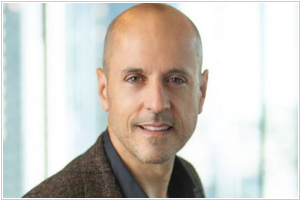
Umoja Biopharma is a biopharmaceutical company developing next-generation immunotherapies intended to combat cancer.
Umoja Biopharma is a biopharmaceutical company developing next-generation immunotherapies intended to combat cancer.
9

Funding: $340M
Capstan Therapeutics is advancing cell engineering to develop CAR-T therapeutics for a broad range of diseases.
Capstan Therapeutics is advancing cell engineering to develop CAR-T therapeutics for a broad range of diseases.
10

Funding: $335.4M
Kite Pharma develops and produces immune-based cell therapies to treat cancer. Each cell therapy developed by the company is individually tailored to each patient and one-time injected. The CAR T-cell therapy manufacturing process involves collecting the patient's white blood cells, isolating and activating the T-cells, modifying the T-cells with a chimeric antigen receptor gene, culturing and expanding the T-cells and administering the modified T-cells to the same patient. Kite has a state-of-the-art manufacturing facility with full production cycle and global logistics network. The company's portfolio includes two drugs for the treatment of blood diseases, specifically diffuse large B-cell lymphoma, mantle cell lymphoma and acute lymphoblastic leukemia. The company's pipeline includes clinical trials for the treatment of lymphoma, myeloma and leukemia. Acquired by Gilead Sciences
Kite Pharma develops and produces immune-based cell therapies to treat cancer. Each cell therapy developed by the company is individually tailored to each patient and one-time injected. The CAR T-cell therapy manufacturing process involves collecting the patient's white blood cells, isolating and activating the T-cells, modifying the T-cells with a chimeric antigen receptor gene, culturing and expanding the T-cells and administering the modified T-cells to the same patient. Kite has a state-of-the-art manufacturing facility with full production cycle and global logistics network. The company's portfolio includes two drugs for the treatment of blood diseases, specifically diffuse large B-cell lymphoma, mantle cell lymphoma and acute lymphoblastic leukemia. The company's pipeline includes clinical trials for the treatment of lymphoma, myeloma and leukemia. Acquired by Gilead Sciences
11
Funding: $310M
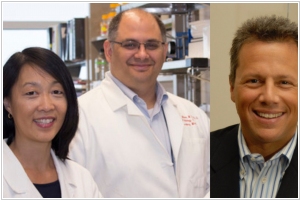
Cabaletta Bio has adapted clinically-validated and FDA-approved CAR T cell technology to target B cell-mediated autoimmune diseases.
Cabaletta Bio has adapted clinically-validated and FDA-approved CAR T cell technology to target B cell-mediated autoimmune diseases.
12

Funding: $256M
Acepodia develops targeted cell therapies for cancer patients. The company has developed innovative immune cell activators with enhanced and targeted efficacy through antibody-cell conjugation (ACC) technology. As advertised they feature improved safety and broad applicability across hematological and solid tumors. The ACC technology is based on the 2022 Nobel Prize-winning bioorthogonal chemistry developed by Professor Carolyn Bertozzi. With ACC technology, tumor-targeting antibodies are conjugated to allogeneic immune cells, such as natural killer cells and gamma-delta-2 T cells. The second company's platform, Acepodia Antibody-Dual-Drugs Conjugation (AD2C), enables the facile integration of multiple linker payloads through a site-specific conjugation process. The company's flagship drug is in clinical trials for the treatment of liver cancer.
Acepodia develops targeted cell therapies for cancer patients. The company has developed innovative immune cell activators with enhanced and targeted efficacy through antibody-cell conjugation (ACC) technology. As advertised they feature improved safety and broad applicability across hematological and solid tumors. The ACC technology is based on the 2022 Nobel Prize-winning bioorthogonal chemistry developed by Professor Carolyn Bertozzi. With ACC technology, tumor-targeting antibodies are conjugated to allogeneic immune cells, such as natural killer cells and gamma-delta-2 T cells. The second company's platform, Acepodia Antibody-Dual-Drugs Conjugation (AD2C), enables the facile integration of multiple linker payloads through a site-specific conjugation process. The company's flagship drug is in clinical trials for the treatment of liver cancer.
13

Funding: $216M
Dispatch Bio was formed around the concept of solving two obstacles in cancer care: developing a treatment that can differentiate cancer cells from healthy cells while also addressing resistance mechanisms.
Dispatch Bio was formed around the concept of solving two obstacles in cancer care: developing a treatment that can differentiate cancer cells from healthy cells while also addressing resistance mechanisms.
14

Funding: $198M
Artiva Biotherapeutics is an oncology company focused on developing and commercializing allogeneic natural killer (NK) cell therapies.
Artiva Biotherapeutics is an oncology company focused on developing and commercializing allogeneic natural killer (NK) cell therapies.
15

Funding: $189.3M
CREATE Medicines is a clinical stage mRNA-immunotherapy company developing novel therapies for cancer and autoimmune diseases.
CREATE Medicines is a clinical stage mRNA-immunotherapy company developing novel therapies for cancer and autoimmune diseases.
16

Funding: $172M
Wugen is developing off-the-shelf cellular therapies targeting solid tumors and hematologic malignancies
Wugen is developing off-the-shelf cellular therapies targeting solid tumors and hematologic malignancies
17

Funding: $168M
Modex Therapeutics's modular platforms unite the power of multiple biologics into single molecules to combat complex diseases. The current focus is on cancer and infectious disease, where multispecifics hold great promise to address the diverse antigens and immune evasion that are responsible for the vast majority of patient deaths.
Modex Therapeutics's modular platforms unite the power of multiple biologics into single molecules to combat complex diseases. The current focus is on cancer and infectious disease, where multispecifics hold great promise to address the diverse antigens and immune evasion that are responsible for the vast majority of patient deaths.
18

Funding: $152M
AvenCell Therapeutics develops next generation immunotherapies for hard-to-treat cancers.
AvenCell Therapeutics develops next generation immunotherapies for hard-to-treat cancers.
19
Funding: $100M
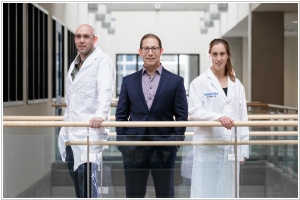
Triumvira Immunologics is an immunotherapy company with the vision of developing novel T cell therapies that are safer and more efficacious than current cancer treatments, including chimeric antigen receptor (CAR) and engineered T cell receptor (TCR) therapies. Their proprietary T cell Antigen Coupler (TAC) technology recruits the entire natural T cell receptor and is independent of the major histocompatibility complex (MHC), allowing for the development of better therapies for a broader range of patients with solid or liquid malignancies and also with diseases other than cancer.
Triumvira Immunologics is an immunotherapy company with the vision of developing novel T cell therapies that are safer and more efficacious than current cancer treatments, including chimeric antigen receptor (CAR) and engineered T cell receptor (TCR) therapies. Their proprietary T cell Antigen Coupler (TAC) technology recruits the entire natural T cell receptor and is independent of the major histocompatibility complex (MHC), allowing for the development of better therapies for a broader range of patients with solid or liquid malignancies and also with diseases other than cancer.
20

Funding: $88.2M
Tallac Therapeutics offers next generation immunotherapies for cancer patients.
Tallac Therapeutics offers next generation immunotherapies for cancer patients.
21
Funding: $87.6M
Inceptor Bio develops cell therapy solutions to cure difficult-to-treat cancers.
Inceptor Bio develops cell therapy solutions to cure difficult-to-treat cancers.
22

Funding: $72M
Link Cell Therapies develops CAR-T cell therapies for patients with solid tumors. The company has developed unique AND gate technology that requires co-expression of cancer targets to ensure cellular cytotoxicity and greater tumor specificity. It enables safe targeting of multiple antigens that are co-expressed on cancer cells but have no or minimal overlap in normal healthy tissue. Combined with additional platforms in development, the company is advancing number of promising therapeutic programs that promise to unlock the potential of CAR T therapy in a variety of important oncological diseases, including solid tumors and certain hematological malignancies. Johnson & Johnson is a major investor in the startup.
Link Cell Therapies develops CAR-T cell therapies for patients with solid tumors. The company has developed unique AND gate technology that requires co-expression of cancer targets to ensure cellular cytotoxicity and greater tumor specificity. It enables safe targeting of multiple antigens that are co-expressed on cancer cells but have no or minimal overlap in normal healthy tissue. Combined with additional platforms in development, the company is advancing number of promising therapeutic programs that promise to unlock the potential of CAR T therapy in a variety of important oncological diseases, including solid tumors and certain hematological malignancies. Johnson & Johnson is a major investor in the startup.
23
Funding: $63M
HebeCell develops and commercializes cell-based therapeutics to treat incurable diseases. It produces cancer-specific natural killer (NK) cells that are developing while suspended in a liquid solution within a bioreactor, allowing them to reproduce indefinitely.
HebeCell develops and commercializes cell-based therapeutics to treat incurable diseases. It produces cancer-specific natural killer (NK) cells that are developing while suspended in a liquid solution within a bioreactor, allowing them to reproduce indefinitely.
24

Funding: $34.3M
Anixa is a publicly-traded biotechnology company focused on harnessing the body's immune system in the fight against cancer. Anixa's therapeutic portfolio includes a cancer vaccine technology focused on the immunization against α-Lactalbumin to prevent triple negative breast cancer (TNBC), as well as a cancer immunotherapy program which uses a novel type of CAR-T, known as chimeric endocrine receptor T-cell (CER-T) technology.
Anixa is a publicly-traded biotechnology company focused on harnessing the body's immune system in the fight against cancer. Anixa's therapeutic portfolio includes a cancer vaccine technology focused on the immunization against α-Lactalbumin to prevent triple negative breast cancer (TNBC), as well as a cancer immunotherapy program which uses a novel type of CAR-T, known as chimeric endocrine receptor T-cell (CER-T) technology.
25

KiraGen Bio develops off-shelf, multiplex-edited cell therapies that improve CAR-T technology for treating solid tumors. The company says that solid tumors suppress immune CAR-T cells in their microenvironment and its TME-Guards technology protects CAR-T cells - allows them to completely ignore suppressive signals from the tumor microenvironment by disabling the corresponding receptors. This ensures safer treatment, avoiding dose increases and immune cell over-activation. The company is conducting clinical trials of its drugs against glioblastoma, glioma, and sarcoma.
★
See also: