Top 50 Cancer treatment startups in USA
May 08, 2026
|
Like
29
1

Funding: $4.3B
Revolution Medicines develops novel treatments for cancers associated with RAS activation (which accounts for 30 percent of all new human cancer diagnoses). The company is building a portfolio of RAS(ON) inhibitors using its tricomplex inhibitor platform, which provides unprecedented access to the active form of oncogenic RAS. Revolution Medicines is building a comprehensive pipeline of targeted therapies for the discovery, development, and delivery of new therapeutic options for PDAC, NSCLC, and solid tumors. The pipeline is designed to allow the evaluation of compounds as monotherapies and in combination with existing standard-of-care therapies and/or other compounds within our portfolio.
Revolution Medicines develops novel treatments for cancers associated with RAS activation (which accounts for 30 percent of all new human cancer diagnoses). The company is building a portfolio of RAS(ON) inhibitors using its tricomplex inhibitor platform, which provides unprecedented access to the active form of oncogenic RAS. Revolution Medicines is building a comprehensive pipeline of targeted therapies for the discovery, development, and delivery of new therapeutic options for PDAC, NSCLC, and solid tumors. The pipeline is designed to allow the evaluation of compounds as monotherapies and in combination with existing standard-of-care therapies and/or other compounds within our portfolio.
2

Funding: $1.9B
A simple blood test unlocks a new dimension in cancer management. Guardant360 is the only biopsy-free tumor sequencing test that tracks tumor genomics in real-time and identifies associated treatment options.
A simple blood test unlocks a new dimension in cancer management. Guardant360 is the only biopsy-free tumor sequencing test that tracks tumor genomics in real-time and identifies associated treatment options.
3

Funding: $1.9B
Caris Life Sciences develops molecular profiling and AI-driven technologies to support precision medicine in oncology.
Caris Life Sciences develops molecular profiling and AI-driven technologies to support precision medicine in oncology.
4

Funding: $1.6B
Crinetics Pharmaceuticals explores the inner life of GPCRs to discover and develop novel therapeutics targeting peptide hormone receptors for the treatment of rare endocrine disorders and endocrine-related cancers.
Crinetics Pharmaceuticals explores the inner life of GPCRs to discover and develop novel therapeutics targeting peptide hormone receptors for the treatment of rare endocrine disorders and endocrine-related cancers.
5

Funding: $1.6B
Using our proprietary Antibody-Coupled T-cell Receptor (ACTR) technology, we are discovering and developing new cellular immunotherapies for cancer. The company doesn’t intend to make its own antibodies in-house, but rather align with various companies that want to enhance their experimental antibody drugs.
Using our proprietary Antibody-Coupled T-cell Receptor (ACTR) technology, we are discovering and developing new cellular immunotherapies for cancer. The company doesn’t intend to make its own antibodies in-house, but rather align with various companies that want to enhance their experimental antibody drugs.
6

Funding: $1.6B
IOVANCE Biotherapeutics develops personalized autologous cellular immunotherapies using tumor-infiltrating lymphocytes (TILs). A patient's natural TILs are collected and grown outside the body and then administered to the patient in a single dose. Unlike targeted cell therapies, which act on general antigen targets, IOVANCE TILs are engineered to act on specific neoantigens unique to the patient or tumor. IOVANCE's T-cell-based immunotherapy platform has potential application across multiple solid tumor types. The company has two approved drugs for the treatment of metastatic melanoma and metastatic kidney cancer. The company is also conducting clinical trials for the treatment of cervical cancer, NSCLC, endometrial cancer, and head and neck squamous cell carcinoma.
IOVANCE Biotherapeutics develops personalized autologous cellular immunotherapies using tumor-infiltrating lymphocytes (TILs). A patient's natural TILs are collected and grown outside the body and then administered to the patient in a single dose. Unlike targeted cell therapies, which act on general antigen targets, IOVANCE TILs are engineered to act on specific neoantigens unique to the patient or tumor. IOVANCE's T-cell-based immunotherapy platform has potential application across multiple solid tumor types. The company has two approved drugs for the treatment of metastatic melanoma and metastatic kidney cancer. The company is also conducting clinical trials for the treatment of cervical cancer, NSCLC, endometrial cancer, and head and neck squamous cell carcinoma.
7

Funding: $1.3B
Arcus discovers and develops innovative cancer immunotherapies based on known but under-exploited biology. Arcus’s lead program targets the adenosine pathway, which has been shown to play a significant role in driving immuno-suppression in the tumor micro-environment.
Arcus discovers and develops innovative cancer immunotherapies based on known but under-exploited biology. Arcus’s lead program targets the adenosine pathway, which has been shown to play a significant role in driving immuno-suppression in the tumor micro-environment.
8

Funding: $1.3B
Fate Therapeutics develops clinical drug candidates for the treatment of autoimmune diseases and cancer using its propriety iPSCs platform (induced pluripotent stem cells). These cell therapies are selectively engineered and provide novel synthetic mechanisms for regulating cellular function. The company utilizes iPSC master cell lines to generate immune system cells, including NK cells, T cells and CD34+ cells and is developing a portfolio of ready-to-use cellular immunotherapy products for the treatment of solid tumors (particularly lung, pancreatic and ovarian cancer). FT819, its first iPSC-derived CAR T-cell product candidate, demonstrates potent, dose-dependent B-cell killing comparable to that of autologous primary CAR T cells in in-vitro cytotoxicity assay using peripheral blood mononuclear cells (PBMCs) in SLE.
Fate Therapeutics develops clinical drug candidates for the treatment of autoimmune diseases and cancer using its propriety iPSCs platform (induced pluripotent stem cells). These cell therapies are selectively engineered and provide novel synthetic mechanisms for regulating cellular function. The company utilizes iPSC master cell lines to generate immune system cells, including NK cells, T cells and CD34+ cells and is developing a portfolio of ready-to-use cellular immunotherapy products for the treatment of solid tumors (particularly lung, pancreatic and ovarian cancer). FT819, its first iPSC-derived CAR T-cell product candidate, demonstrates potent, dose-dependent B-cell killing comparable to that of autologous primary CAR T cells in in-vitro cytotoxicity assay using peripheral blood mononuclear cells (PBMCs) in SLE.
9

Funding: $1.2B
Kura Oncology develops precision small-molecule drugs for treatment of solid tumors and blood cancers. The company discovers and tests new biomarkers of cancer signaling pathways. Kura's flagship drug, COMZIFTI, is approved for the treatment of adult patients with acute myeloid leukemia (AML) with a nucleophosmin 1 (NPM1) gene mutation whose AML has relapsed or failed to improve after previous treatment and who have no other satisfactory treatment options. The company's pipeline also includes clinical trials for acute lymphoblastic leukemia, acute myeloid leukemia, advanced gastrointestinal stromal tumors, renal cell carcinoma, non-small cell lung cancer, colorectal cancer, pancreatic ductal adenocarcinoma, and head and neck squamous cell carcinoma.
Kura Oncology develops precision small-molecule drugs for treatment of solid tumors and blood cancers. The company discovers and tests new biomarkers of cancer signaling pathways. Kura's flagship drug, COMZIFTI, is approved for the treatment of adult patients with acute myeloid leukemia (AML) with a nucleophosmin 1 (NPM1) gene mutation whose AML has relapsed or failed to improve after previous treatment and who have no other satisfactory treatment options. The company's pipeline also includes clinical trials for acute lymphoblastic leukemia, acute myeloid leukemia, advanced gastrointestinal stromal tumors, renal cell carcinoma, non-small cell lung cancer, colorectal cancer, pancreatic ductal adenocarcinoma, and head and neck squamous cell carcinoma.
10
Funding: $1.1B
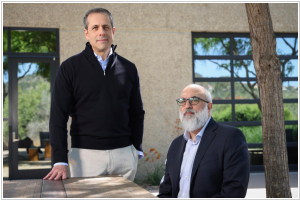
Treeline Biosciences develops oral small molecules for precision treatment of cancer. It also creates protein splitters and "stickers" for situations where traditional small molecules are unlikely to be effective, focusing on pharmacology from the outset. For drug delivery, the company uses antibody-tagged conjugates (TT-ADCs), an elegant solution that avoids exposure to healthy tissues. Treeline is conducting clinical trials of two drugs for the treatment of lymphoma: TLN-121 (in-house developed), which disrupts the BCL6 protein, and TLN-254 (licensed from Hengrui Pharmaceuticals), which inhibits the EZH2 protein. The company has also begun clinical trials of a pan-KRAS inhibitor, TLN-372, for the treatment of solid tumors with certain KRAS mutations.
Treeline Biosciences develops oral small molecules for precision treatment of cancer. It also creates protein splitters and "stickers" for situations where traditional small molecules are unlikely to be effective, focusing on pharmacology from the outset. For drug delivery, the company uses antibody-tagged conjugates (TT-ADCs), an elegant solution that avoids exposure to healthy tissues. Treeline is conducting clinical trials of two drugs for the treatment of lymphoma: TLN-121 (in-house developed), which disrupts the BCL6 protein, and TLN-254 (licensed from Hengrui Pharmaceuticals), which inhibits the EZH2 protein. The company has also begun clinical trials of a pan-KRAS inhibitor, TLN-372, for the treatment of solid tumors with certain KRAS mutations.
11

Funding: $1B
Allogene Therapeutics is working to overcome the limitations of autologous CAR T therapy by creating allogeneic CAR T cell (AlloCAR T) products that utilize T cells from healthy donors. These cells are isolated in a manufacturing facility, engineered to express CAR T cells (that recognize and destroy disease) and genetically modified to limit the autoimmune response when administered to a patient. These cells are then stored for use as needed. The company estimates that a single production cycle is sufficient to treat over 100 patients, significantly reducing the cost of therapy. The company's pipeline includes candidates for large B-cell lymphoma and renal cell carcinoma (ALLO-316 is the first and only allogeneic CAR T cell therapy to show promising results in the treatment of solid tumors). The company operates its own manufacturing complex for clinical and commercial production, analytical testing and distribution of cell products.
Allogene Therapeutics is working to overcome the limitations of autologous CAR T therapy by creating allogeneic CAR T cell (AlloCAR T) products that utilize T cells from healthy donors. These cells are isolated in a manufacturing facility, engineered to express CAR T cells (that recognize and destroy disease) and genetically modified to limit the autoimmune response when administered to a patient. These cells are then stored for use as needed. The company estimates that a single production cycle is sufficient to treat over 100 patients, significantly reducing the cost of therapy. The company's pipeline includes candidates for large B-cell lymphoma and renal cell carcinoma (ALLO-316 is the first and only allogeneic CAR T cell therapy to show promising results in the treatment of solid tumors). The company operates its own manufacturing complex for clinical and commercial production, analytical testing and distribution of cell products.
12

Funding: $896.6M
Zentalis is a clinical-stage biopharmaceutical company focused on developing clinically differentiated, novel small molecule therapeutics.
Zentalis is a clinical-stage biopharmaceutical company focused on developing clinically differentiated, novel small molecule therapeutics.
13

Funding: $694.1M
IDEAYA is an oncology-focused biotechnology company committed to the discovery of breakthrough synthetic lethality medicines for genetically defined patient populations and immuno-oncology therapies targeting immuno-metabolism and innate immunity.
IDEAYA is an oncology-focused biotechnology company committed to the discovery of breakthrough synthetic lethality medicines for genetically defined patient populations and immuno-oncology therapies targeting immuno-metabolism and innate immunity.
14

Funding: $630.8M
ArsenalBio is focused on integrating technologies such as CRISPR-based genome engineering, scaled and high throughput target identification, synthetic biology, and machine learning to advance a new paradigm to discover and develop in immune cell therapies.
ArsenalBio is focused on integrating technologies such as CRISPR-based genome engineering, scaled and high throughput target identification, synthetic biology, and machine learning to advance a new paradigm to discover and develop in immune cell therapies.
15

Funding: $620M
Century Therapeutics is harnessing the power of adult stem cells to develop curative therapies for cancer. It develops iPSC-derived, allogeneic immune cell therapy products for cancer
Century Therapeutics is harnessing the power of adult stem cells to develop curative therapies for cancer. It develops iPSC-derived, allogeneic immune cell therapy products for cancer
16

Funding: $566.8M
Atara Biotherapeutics develops allogeneic T-cell immunotherapies for the treatment of cancer, autoimmune diseases and viral diseases. The company's platform is based on allogeneic, or donor T cells that are enriched during the manufacturing process for specific receptors targeting the Epstein-Barr virus (EBV). These EBV T cells are modified with CAR to generate allogeneic CAR T-cell therapies for a broad range of antigen targets. Our molecular suite of clinically validated technologies, including the 1XX costimulatory domain, engineered to optimize physiological signaling leading to reduced exhaustion while maintaining a memory phenotype, offers a differentiated approach to addressing the significant unmet need for next-generation CAR T cells. Atara is conducting clinical trials of its candidates for the treatment of lupus nephritis and B-cell malignancies.
Atara Biotherapeutics develops allogeneic T-cell immunotherapies for the treatment of cancer, autoimmune diseases and viral diseases. The company's platform is based on allogeneic, or donor T cells that are enriched during the manufacturing process for specific receptors targeting the Epstein-Barr virus (EBV). These EBV T cells are modified with CAR to generate allogeneic CAR T-cell therapies for a broad range of antigen targets. Our molecular suite of clinically validated technologies, including the 1XX costimulatory domain, engineered to optimize physiological signaling leading to reduced exhaustion while maintaining a memory phenotype, offers a differentiated approach to addressing the significant unmet need for next-generation CAR T cells. Atara is conducting clinical trials of its candidates for the treatment of lupus nephritis and B-cell malignancies.
17

Funding: $545.9M
Nurix develops small molecule inhibitors for the treatment of proliferative and degenerative diseases.
Nurix develops small molecule inhibitors for the treatment of proliferative and degenerative diseases.
18

Funding: $445.4M
CytomX is unlocking the potential of antibody therapeutics in oncology by developing a novel therapeutic antibody class of highly targeted Probody therapeutics.
CytomX is unlocking the potential of antibody therapeutics in oncology by developing a novel therapeutic antibody class of highly targeted Probody therapeutics.
19

Funding: $445M
Rubius is developing a new class of drugs, Red-Cell Therapeutics. Rubius is using advanced cellular therapies that harness the unique, inherent properties of red cells and marry them to the creative power of genetic engineering.
Rubius is developing a new class of drugs, Red-Cell Therapeutics. Rubius is using advanced cellular therapies that harness the unique, inherent properties of red cells and marry them to the creative power of genetic engineering.
20

Funding: $418M
RayzeBio is focused on improving outcomes for people with cancer by harnessing the power of targeted radioisotopes.
RayzeBio is focused on improving outcomes for people with cancer by harnessing the power of targeted radioisotopes.
21

Funding: $400M
Celgene spinout that aims is to develop cells from placentas against blood cancers and is founded on the use of stem cells from placentas. The goal is to create therapies across autoimmune and degenerative disease, immuno-oncology, and functional regeneration.
Celgene spinout that aims is to develop cells from placentas against blood cancers and is founded on the use of stem cells from placentas. The goal is to create therapies across autoimmune and degenerative disease, immuno-oncology, and functional regeneration.
22

Funding: $356M
Be Biopharma engineers B-cell therapies. The applications of B cells include everything from autoimmune diseases to cancer and monogenic disorders, which are caused by variation in a single gene.
Be Biopharma engineers B-cell therapies. The applications of B cells include everything from autoimmune diseases to cancer and monogenic disorders, which are caused by variation in a single gene.
23

Funding: $355.2M
PathAI's goal is to improve cancer diagnosis using artificial intelligence. PathAI’s services solve the most challenging pathology problems faced by the research and pharmaceutical industry.
PathAI's goal is to improve cancer diagnosis using artificial intelligence. PathAI’s services solve the most challenging pathology problems faced by the research and pharmaceutical industry.
24

Funding: $347.9M
Atreca develops a technology to identify the set of antibodies produced during an immune response, without prior knowledge of an antigen.
Atreca develops a technology to identify the set of antibodies produced during an immune response, without prior knowledge of an antigen.
25

Funding: $335.4M
Kite Pharma develops and produces immune-based cell therapies to treat cancer. Each cell therapy developed by the company is individually tailored to each patient and one-time injected. The CAR T-cell therapy manufacturing process involves collecting the patient's white blood cells, isolating and activating the T-cells, modifying the T-cells with a chimeric antigen receptor gene, culturing and expanding the T-cells and administering the modified T-cells to the same patient. Kite has a state-of-the-art manufacturing facility with full production cycle and global logistics network. The company's portfolio includes two drugs for the treatment of blood diseases, specifically diffuse large B-cell lymphoma, mantle cell lymphoma and acute lymphoblastic leukemia. The company's pipeline includes clinical trials for the treatment of lymphoma, myeloma and leukemia. Acquired by Gilead Sciences
Kite Pharma develops and produces immune-based cell therapies to treat cancer. Each cell therapy developed by the company is individually tailored to each patient and one-time injected. The CAR T-cell therapy manufacturing process involves collecting the patient's white blood cells, isolating and activating the T-cells, modifying the T-cells with a chimeric antigen receptor gene, culturing and expanding the T-cells and administering the modified T-cells to the same patient. Kite has a state-of-the-art manufacturing facility with full production cycle and global logistics network. The company's portfolio includes two drugs for the treatment of blood diseases, specifically diffuse large B-cell lymphoma, mantle cell lymphoma and acute lymphoblastic leukemia. The company's pipeline includes clinical trials for the treatment of lymphoma, myeloma and leukemia. Acquired by Gilead Sciences
26

Funding: $333.5M
NextCure is a biopharmaceutical company focused on discovering and developing next generation immuno-oncology-based drugs.
NextCure is a biopharmaceutical company focused on discovering and developing next generation immuno-oncology-based drugs.
27
Funding: $329.2M
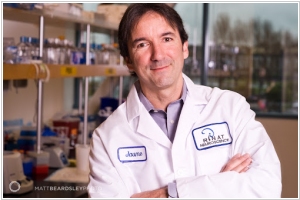
ALX Oncology is a preclinical stage biotechnology company developing innovative immuno-oncology therapies for cancer.
ALX Oncology is a preclinical stage biotechnology company developing innovative immuno-oncology therapies for cancer.
28
Funding: $328M
Shattuck develops cancer immunotherapy, with immune checkpoint blockade, has provided profound benefit for patients with late-stage cancers.
Shattuck develops cancer immunotherapy, with immune checkpoint blockade, has provided profound benefit for patients with late-stage cancers.
29

Funding: $324.9M
Accelerating the fight against cancer requires the entire industry to work together. Our products connect community oncologists, academics, hospitals, life science researchers and regulators on a shared technology platform. Flatiron Health gathers and analyzes data on cancer treatments and sells software based on those insights
Accelerating the fight against cancer requires the entire industry to work together. Our products connect community oncologists, academics, hospitals, life science researchers and regulators on a shared technology platform. Flatiron Health gathers and analyzes data on cancer treatments and sells software based on those insights
30

Funding: $325M
Obsidian Therapeutics develops precision cell and gene therapies to expand the capabilities of adoptive cancer immunotherapy. The company has developed the cytoDRiVE platform, which leverages drug-responsive domains (DRDs) to control protein function using an FDA-approved small molecule, and is continually expands its library of identified DRDs of varying sizes and purposes. The company's lead drug, OBX-115, is an experimental therapy using tumor-infiltrating lymphocytes genetically modified to produce a membrane-bound (non-secreted) cytokine (IL15). Obsidian is conducting a multicenter clinical trial for the treatment of advanced melanoma and non-small cell lung cancer.
Obsidian Therapeutics develops precision cell and gene therapies to expand the capabilities of adoptive cancer immunotherapy. The company has developed the cytoDRiVE platform, which leverages drug-responsive domains (DRDs) to control protein function using an FDA-approved small molecule, and is continually expands its library of identified DRDs of varying sizes and purposes. The company's lead drug, OBX-115, is an experimental therapy using tumor-infiltrating lymphocytes genetically modified to produce a membrane-bound (non-secreted) cytokine (IL15). Obsidian is conducting a multicenter clinical trial for the treatment of advanced melanoma and non-small cell lung cancer.
31

Funding: $324M
Frontier Medicines is a biopharmaceutical company that develops a chemoproteomics platform to accelerate the development of medicines.
Frontier Medicines is a biopharmaceutical company that develops a chemoproteomics platform to accelerate the development of medicines.
32

Funding: $313M
Bicara Therapeutics develops dual-action cancer therapies, combining targeted treatments with tumor modulators for enhanced impact.
Bicara Therapeutics develops dual-action cancer therapies, combining targeted treatments with tumor modulators for enhanced impact.
33

Funding: $311.2M
Personalis provides researchers and clinicians accurate DNA sequencing and interpretation of human exomes and genomes. We support researchers engaging in case-control, family-based, or proband-only genomic studies of disease, pharmacogenomics, and cancer. Our ACE (Accuracy and Content Enhanced) Technology supplements a standard exome or genome, substantially increasing its medically-relevant coverage and accuracy.
Personalis provides researchers and clinicians accurate DNA sequencing and interpretation of human exomes and genomes. We support researchers engaging in case-control, family-based, or proband-only genomic studies of disease, pharmacogenomics, and cancer. Our ACE (Accuracy and Content Enhanced) Technology supplements a standard exome or genome, substantially increasing its medically-relevant coverage and accuracy.
34

Funding: $283M
Electra Therapeutics is a clinical stage biotechnology company developing therapies for cancer and other immunological diseases.
Electra Therapeutics is a clinical stage biotechnology company developing therapies for cancer and other immunological diseases.
35

Funding: $274M
Thyme Care is a healthcare company that provides oncology care management services.
Thyme Care is a healthcare company that provides oncology care management services.
36

Funding: $272.7M
Apollomics is an emerging life sciences oncology company focused on developing innovative medicines targeting the growth and proliferation of cancer cells for which available treatments are inadequate.
Apollomics is an emerging life sciences oncology company focused on developing innovative medicines targeting the growth and proliferation of cancer cells for which available treatments are inadequate.
37

Funding: $272.1M
Black Diamond Therapeutics is focused on the discovery and development of precision medicines for cancer that are directed against a novel class of allosteric mutant oncogenes.
Black Diamond Therapeutics is focused on the discovery and development of precision medicines for cancer that are directed against a novel class of allosteric mutant oncogenes.
38

Funding: $265.2M
Precision BioSciences is a genome editing company dedicated to improving life. Our team seeks to solve – not just treat, but solve – significant problems in oncology, genetic disease, agriculture, and beyond via its proprietary ARCUS genome editing platform.
Precision BioSciences is a genome editing company dedicated to improving life. Our team seeks to solve – not just treat, but solve – significant problems in oncology, genetic disease, agriculture, and beyond via its proprietary ARCUS genome editing platform.
39

Funding: $257.4M
Codiak Biosciences is developing multiple platforms for both therapeutic and diagnostic applications based on a growing appreciation for exosome biology.
Codiak Biosciences is developing multiple platforms for both therapeutic and diagnostic applications based on a growing appreciation for exosome biology.
40

Funding: $256M
Acepodia develops targeted cell therapies for cancer patients. The company has developed innovative immune cell activators with enhanced and targeted efficacy through antibody-cell conjugation (ACC) technology. As advertised they feature improved safety and broad applicability across hematological and solid tumors. The ACC technology is based on the 2022 Nobel Prize-winning bioorthogonal chemistry developed by Professor Carolyn Bertozzi. With ACC technology, tumor-targeting antibodies are conjugated to allogeneic immune cells, such as natural killer cells and gamma-delta-2 T cells. The second company's platform, Acepodia Antibody-Dual-Drugs Conjugation (AD2C), enables the facile integration of multiple linker payloads through a site-specific conjugation process. The company's flagship drug is in clinical trials for the treatment of liver cancer.
Acepodia develops targeted cell therapies for cancer patients. The company has developed innovative immune cell activators with enhanced and targeted efficacy through antibody-cell conjugation (ACC) technology. As advertised they feature improved safety and broad applicability across hematological and solid tumors. The ACC technology is based on the 2022 Nobel Prize-winning bioorthogonal chemistry developed by Professor Carolyn Bertozzi. With ACC technology, tumor-targeting antibodies are conjugated to allogeneic immune cells, such as natural killer cells and gamma-delta-2 T cells. The second company's platform, Acepodia Antibody-Dual-Drugs Conjugation (AD2C), enables the facile integration of multiple linker payloads through a site-specific conjugation process. The company's flagship drug is in clinical trials for the treatment of liver cancer.
41

Funding: $245.7M
Corvus Pharmaceuticals is a clinical-stage biopharmaceutical company focused on the development of novel agents that target the immune system to treat patients with cancer. With accomplished and talented scientists, we are well positioned in an exciting new era of immuno-oncology.
Corvus Pharmaceuticals is a clinical-stage biopharmaceutical company focused on the development of novel agents that target the immune system to treat patients with cancer. With accomplished and talented scientists, we are well positioned in an exciting new era of immuno-oncology.
42

Funding: $244.7M
Our services help oncologists and translational scientists sequence and analyze cancer genomes and identify mutations to characterize aspects of the disease. Our expertise in genome analysis ranges from sample preparation and sequencing to data interpretation and analysis. We specialize in high-throughput next-generation sequencing and proprietary algorithms to identify alterations in complex cancer genomes and have developed novel technologies for non-invasive “liquid biopsy” approaches in cancer.
Our services help oncologists and translational scientists sequence and analyze cancer genomes and identify mutations to characterize aspects of the disease. Our expertise in genome analysis ranges from sample preparation and sequencing to data interpretation and analysis. We specialize in high-throughput next-generation sequencing and proprietary algorithms to identify alterations in complex cancer genomes and have developed novel technologies for non-invasive “liquid biopsy” approaches in cancer.
43

Funding: $242M
Idrx is a clinical-stage biopharmaceutical company dedicated to transforming cancer treatment.
Idrx is a clinical-stage biopharmaceutical company dedicated to transforming cancer treatment.

45

Funding: $226.6M
Lycia Therapeutics is a biotechnology company that focuses on developing technology that utilizes lysosome-targeting chimeras.
Lycia Therapeutics is a biotechnology company that focuses on developing technology that utilizes lysosome-targeting chimeras.
46

Funding: $224M
Pyxis Oncology is a developer of antibody therapeutics intended to promote the body's immune response to cancer.
Pyxis Oncology is a developer of antibody therapeutics intended to promote the body's immune response to cancer.
47

Funding: $222.6M
Syapse is a real-world evidence company dedicated to extinguishing the fear and burden of serious disease by advancing real-world care
Syapse is a real-world evidence company dedicated to extinguishing the fear and burden of serious disease by advancing real-world care
48

Funding: $221M
Foghorn Therapeutics is developing therapies based on a system that directs which genes our cells express, and when, where, and in what order.
Foghorn Therapeutics is developing therapies based on a system that directs which genes our cells express, and when, where, and in what order.
49

Funding: $220M
Paige.AI was one of the first startups to apply AI models to cancer care and has since developed numerous models used for tissue analysis, tissue subtyping and molecular biomarker discovery. Paige has developed several AI applications for diagnostic decision support in oncology pathology, including prostate cancer detection and diagnosis in whole-section prostate biopsy images, identifying and classifying breast cancer in whole-section biopsy and excisional breast specimens, detecting and classifying benign and malignant diseases throughout the gastrointestinal tract. Developed using Virchow and trained on over 1.5 million slides, the Paige PanCancer Suite helps pathologists identify the subtlest nuances of cancer progression in various tissue types, including rare cancers. Acquired by Tempus
Paige.AI was one of the first startups to apply AI models to cancer care and has since developed numerous models used for tissue analysis, tissue subtyping and molecular biomarker discovery. Paige has developed several AI applications for diagnostic decision support in oncology pathology, including prostate cancer detection and diagnosis in whole-section prostate biopsy images, identifying and classifying breast cancer in whole-section biopsy and excisional breast specimens, detecting and classifying benign and malignant diseases throughout the gastrointestinal tract. Developed using Virchow and trained on over 1.5 million slides, the Paige PanCancer Suite helps pathologists identify the subtlest nuances of cancer progression in various tissue types, including rare cancers. Acquired by Tempus
50

Funding: $207.5M
Circle Pharma is a provider of a macrocycle development platform intended to provide macrocyclic peptides with applications in Rb-dysregulated cancers and cyclin-E-dependent malignancies
Circle Pharma is a provider of a macrocycle development platform intended to provide macrocyclic peptides with applications in Rb-dysregulated cancers and cyclin-E-dependent malignancies